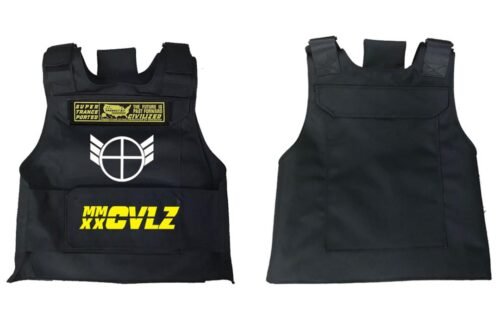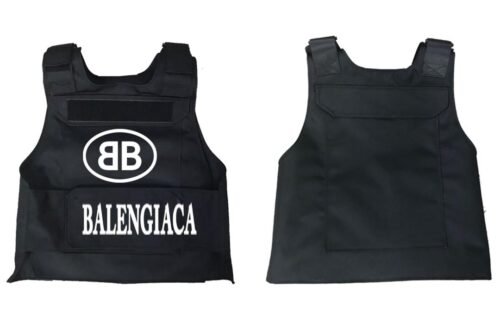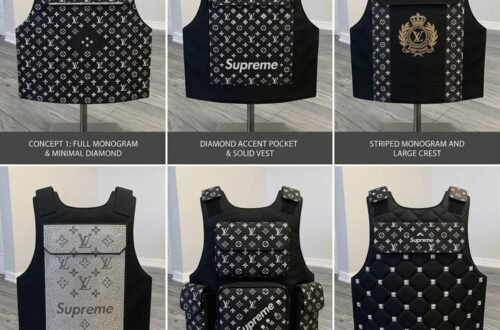
Walk into any fishing dock and you will see it: an angler with pockets and pouches strapped everywhere, fumbling to find pliers, a spare lure or a pack of hooks while the fish are biting. That is the exact problem a custom tactical vest solves. A tactical vest is built for fast, organized access to the tools of your trade — and for an angler, the trade is reading water, tying knots and landing fish without ever taking your eyes off the line. This guide shows how to configure a tactical vest for fishing, what pouches you actually need, and how to keep gear dry and reachable on the water.
Why a Tactical Vest Works for Fishing
Fishing vests are traditionally bulky, one-size fits all and filled with a confusing grid of tiny pockets. A custom tactical vest takes the same storage idea and rebuilds it around your actual rods, lures and habits.
- Reach over bulk. MOLLE pouches sit where your hands already go, so you grab pliers or a hook pack in one motion.
- Adjustable fit. You control the straps, so the vest sits snug whether you wear a thin long-sleeve in summer or a puffy shell in winter.
- Modular layout. Add a fly-box pouch on one trip, a trolling-rod tool roll on another — you reconfigure, not rebuy.
For shore anglers, kayak fishermen and small-boat cruisers alike, a tactical vest replaces the overstuffed backpack you leave on the bank and the fanny pack that swings when you cast.
Tackle Storage: Build the Pouch Layout
The core of a fishing loadout is tackle. On a custom tactical vest, you choose which boxes, packs and tools go where based on how you fish.
Front Center: Your Go-To Lure Box
Attach a medium utility pouch dead center on the chest. This holds the tackle box you open every five minutes: your go-to soft plastics, jigs, hooks and a spare spool of line. A bungee-flap pouch closes fast and opens with one hand, which matters when the other hand holds a rod.
Side Pouches: Tools and Terminal Tackle
On your support-hand side (the hand that does the work), put a small tool roll or sheath for pliers, scissors, a hook remover and a measuring tape. On the other side, a slim zippered pouch for leaders, swivels, split rings and extra hooks — the small stuff that vanishes if it is loose in a pocket.
Back Panel: The Stuff You Do Not Grab Constantly
Use the rear MOLLE grid for the backup tackle box, a rain shell, a small first-aid kit or a water bladder. Keep the back loaded with what you check once or twice a day; keep the front for what you reach for every cast.
Bait, Water and Weather: Keep It Dry
Fishing happens around water, and a tactical vest that stays organized on dry land can become a soggy mess on a rocking boat. Plan for it.
Water-Resistant Pouches Win
Choose coated or TPU-backed pouches for the compartments that hold your phone, wallet, camera or a spare pair of dry gloves. A small waterproof dry pouch clipped to the MOLLE grid is cheap insurance against spray, rain and a splash from a wave.
Bait and Lure Management
Soft baits go in a sealed utility pouch so they do not dry out. Hooks and lures with sharp points go in a sheath or a closed pocket — loose hooks in a MOLLE pouch will scratch you and snag the net. A small magnetic net release clipped to the chest keeps your landing net within arm’s reach without flapping against the rod.
Sun and Heat Are Still Enemies
Mesh-backed panels and open side panels keep the vest ventilated on a long summer day. Add a small insulated pouch for a cold drink or a gel pack if you fish in warm weather — you do not want your bait or your phone overheating in the sun.
Rod, Reel and On-the-Move Convenience
An angler in motion is a different loadout than one anchored on a bench.
Wade Fishing: Keep It Light
If you wade, trim the vest to the essentials: one lure box, pliers, a leader pouch and a phone dry bag. You do not want a loaded vest shifting in moving water. A custom tactical vest lets you leave the extra pouches at home and reattach them for boat trips.
Kayak and Small-Boat Fishing
On a kayak, you are seated. Move the heaviest items — tackle boxes, tools — closer to your center line and clip a rod holder accessory or a tool sheath where you can reach it without leaning. A vest that rides high also keeps gear clear of the kayak’s hull and paddle.
Bank Fishing and Shore Casting
When you walk the bank, a dump pouch on the lower back lets you stuff used bait bags, discarded packaging or a caught small fish quickly, without stopping to open a zipper. It keeps your hands free for the rod.
Styling Your Fishing Vest
A custom tactical vest does not have to look like a police surplus jacket. Pick a camo or earth-tone pattern that matches your local water — olive, khaki, grey-green for rocky shores; reed or sand pattern for flats. Add a morale patch with your fishing club’s name or a fun catchphrase, and a small logo patch on the chest. The vest works hard and looks like yours.
Quick Checklist Before You Cast
- Chest pouch: main lure box with go-to rigs.
- Support-hand side: pliers, scissors, hook remover, tape.
- Other side: leaders, swivels, split rings, spare hooks.
- Back panel: backup box, rain shell, first-aid, water.
- Waterproof dry pouch for phone, wallet, dry gloves.
- Magnetic net release on the chest; dump pouch on the lower back.
- Trim load for wading; add gear for boat and kayak days.
Your vest should disappear until you need it — and then hand you exactly the right tool. A custom tactical vest configured for fishing puts every lure, plier and pack of hooks where your hand already goes, so you spend the day watching the water instead of digging through pockets. Build it around the way you actually fish, and the next bite is yours.