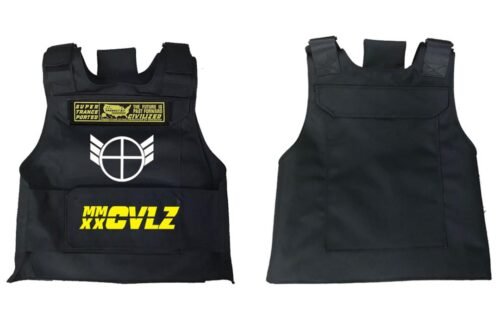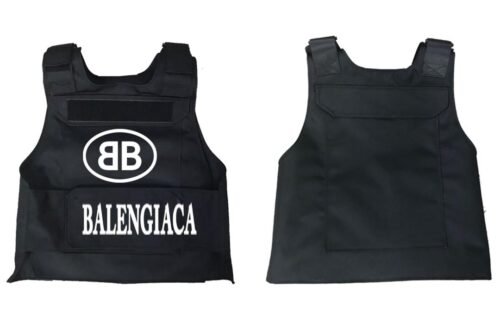
The camera bag is a compromise. It protects your glass but it slows you down, it gets left on a chair, and it screams “tourist” the second you walk into a working venue. Photographers who shoot weddings, events, sports, and brand content have started swapping the sling bag for something sharper: a custom tactical vest built around the way they actually move. Instead of digging through a zipper mid-ceremony, the lens, the spare battery, and the memory card live on your torso, balanced, silent, and ready.
Why Photographers Are Ditching the Bulky Camera Bag
A vest keeps weight centered on your core instead of swinging off one shoulder. That matters on a twelve-hour shoot where every extra gram in a single strap turns into a sore neck by golden hour. When you are crouched at a ring-side or weaving through a crowd, a hands-free kit lets you raise the camera the instant the moment lands. No unzipping, no fumbling, no missed frame.
The look is the second reason. A clean, structured vest reads as crew, not guest. At a wedding or a corporate launch, clients relax the moment they can tell who is working. A vest with your name and a small logo does more trust-building than a business card ever will.
Pockets That Actually Fit a Working Kit
Do not start with fashion. Start with the gear you reach for every hour. Most shooters want a dedicated spot for a second body or a long prime, two or three quick-access pockets for spare batteries and CF/SD cards, and a flat sleeve for a phone or a polarizer pouch. Put the heaviest item low and centered so the vest hangs straight instead of pulling to one side.
Leave one large open pocket for the unpredictable stuff: a gaffer tape roll, a lens cloth, a pair of earplugs for the loud rooms. The point of a custom build is that the layout matches your kit, not a generic template. Sketch your usual loadout first, then design the panels around it.
Keep Your Name on Every Shoot
A name patch turns a utility garment into a working ID. At multi-crew events where three photographers are circling the same stage, a clear “STAFF” or first-name tag keeps you from being mistaken for a guest and quietly escorted out. Make it removable with hook-and-loop so you can swap to a plain panel for documentary work where you would rather blend in.
Color is part of the brand too. A black or olive base disappears on most sets, while a single accent strap in your brand color makes you findable in a group photo of the crew. Small, consistent choices add up to a look people remember.
Monogram It Like the Pros
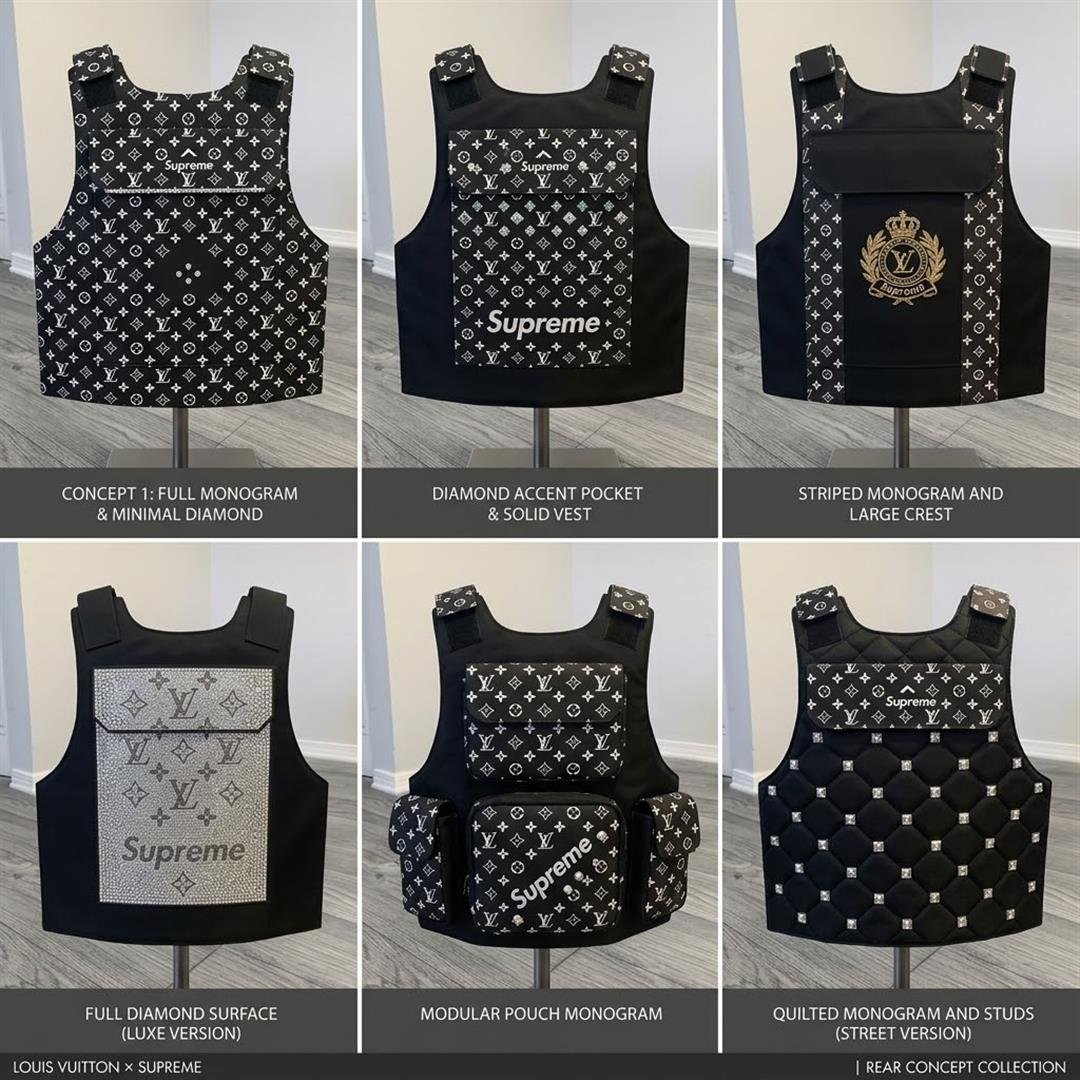
This is where the fun starts. A monogram panel across the chest or a subtle repeating pattern along the webbing gives the vest a premium, owned feel that a plain utility rig never achieves. Plenty of working photographers run a signature mark or a stylized initials badge so the vest reads as theirs in behind-the-scenes shots and reel covers.
If you want that high-end finish, study how a luxury monogram build is laid out, then adapt the idea to your own initials. The pattern does the branding for you, and it photographs beautifully against a plain studio backdrop.
Coordinate a Whole Camera Crew
Solo shooters benefit, but crews benefit more. When a team rolls in wearing the same cut with individualized name tags, the client sees a production company, not a random group of freelancers. Standardize the base color and pocket map, then let each operator vary one element: a different patch, a different strap shade, or a role label like “A-CAM” or “STILLS.”
Booking multiple vests is easier than it sounds. Our team order process lets you lock one design and roll out sized variants for everyone on call, which keeps a touring crew visually tight from city to city.
Weather, Travel, and Long Days
Shoots do not wait for good weather. A vest layers over a base layer in the cold and under a shell in the rain, and the pockets keep essentials dry without a separate dry bag. For travel days, wear it through the airport: the documented, balanced load often sails through security faster than a stuffed carry-on, and your most expensive items never leave your person.
Long days are where the design pays off. A well-placed phone pocket means you are not fishing through a bag during a livestream. A pen loop means the shot list is always in hand. The small efficiencies compound into hours of saved stress across a week of bookings.
Design Yours Before the Next Booking
The best time to build a shoot vest is before the calendar fills, not the night before a wedding. Pick your base, map your real kit, add a name patch and a monogram, and order early enough to break it in. A vest that has been worn twice fits better and looks more like you than one pulled fresh from the box on a pressure day.
Your gear should work as hard as you do, and it should look like it belongs to you. Head to markyourvibe.com and design a custom tactical vest that keeps your kit close and your name on every frame. Your gear, your rules.