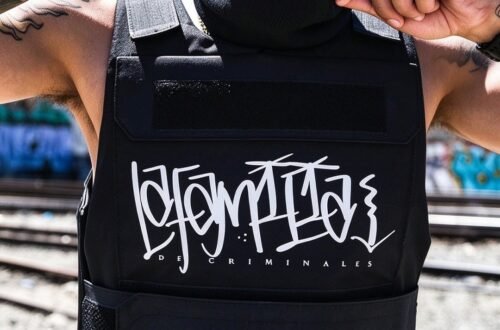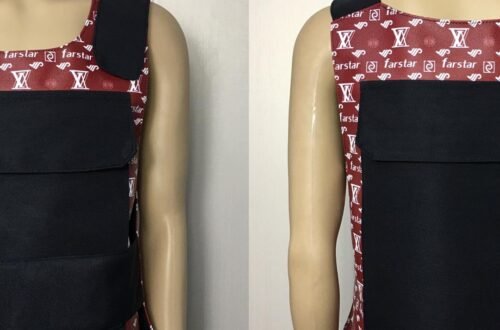

A tool belt has been the default on jobsites for decades, and for good reason — it keeps your hands free. But anyone who has worn one through a full ten-hour shift knows the tradeoff. Tools bounce, weight piles up on one hip, and by mid-afternoon you are shifting the belt around just to stay comfortable. A custom tactical vest distributes that load across your torso instead of hanging it all from your waist, and it gives you a place for the things a belt was never designed to hold: a phone, a radio, site badges, measuring gear, and a phone charger that somehow always runs dead.
Trades crews are practical people. They buy gear that earns its place. Here is why a purpose-built vest is starting to show up alongside the hard hat and steel-toed boots.
Weight That Sits on Your Body, Not Your Hip
The biggest advantage is balance. A loaded tool belt pulls down on one side, which over a long day can leave one hip sore and your posture off. A vest spreads tools across the chest, sides, and back, so the weight stays close to your center of gravity.
That matters when you are climbing scaffolding, kneeling inside a crawlspace, or carrying drywall up a flight of stairs. A balanced rig moves with you instead of swinging. If you already think carefully about how to organize a custom tactical vest, the same principle applies on site: heavy items low and close to the body, light items high and fast to reach.
Pockets That Match Your Actual Trade
Every trade carries a different kit. An electrician wants room for a voltage tester, wire strippers, and a handful of connectors. A plumber needs a compact slot for a wrench and thread seal. A framer lives by the tape measure and a utility knife. A site supervisor might carry almost no tools at all, but needs a clean place for plans, a tablet, and a clipboard.
A generic vest forces you to adapt your workflow to its pockets. A custom one does the reverse. When you can specify pocket sizes and placement, the tools you reach for every five minutes end up exactly where your hand already goes. That is a small detail that adds up to real minutes saved across a week.
High-Visibility Without the Boxy Safety Vest
Standard hi-vis vests do their job, but they are usually loose, shapeless, and short on storage. If you work near live traffic, early-morning roadwork, or a busy loading yard, visibility is non-negotiable — but it does not have to come at the cost of fit or function.
A vest can be built in a bright, high-contrast color with reflective strips while still offering structured pockets and a proper fit. If that sounds like your situation, our guide to high-visibility custom tactical vests covers color choices and placement in more depth. The point is simple: you should not have to choose between being seen and being organized.
Badges, Certifications, and Jobsite Identity
Large sites run on credentials. You may need a site badge visible at a glance, a card proving you are certified for a specific task, or a company logo that identifies your crew to subcontractors and visitors. Fumbling through a wallet at a gate is a small annoyance repeated far too often.
A dedicated patch area or clear ID sleeve solves it. Company names, crew colors, and role patches also help a mixed crew find the right person fast — the foreman, the safety officer, the person who can sign off a permit. Because patches can be swapped, one vest can serve across multiple sites without printing a new garment each time.
Built for Weather, Dust, and Long Days
Jobsites are hard on clothing. Vests get dragged across concrete, caught on rebar, and left in the back of a truck in the sun. A cheap vest fades, sags, and loses its shape after a few weeks. A well-made one holds its structure and keeps its pockets square even when loaded.
Look for durable fabrics, reinforced stitching at pocket seams, and hardware that will not crack in the cold. Breathability matters too — an overheated vest is one you will take off, and a vest you take off is not doing its job. Consider how the vest layers over a hoodie in winter and a T-shirt in summer before you commit to a design.
Equipping a Whole Crew
Ordering for a crew is where customization pays off most. Matching vests build a visible, professional identity on site, which clients notice. At the same time, each person can carry a layout tailored to their role — the same outer vest, configured differently inside.
Before placing a bulk order, collect a short list from your team: the three tools they reach for most, whether they need an ID window, and what patches or colors the site requires. That one conversation prevents most ordering mistakes. It is also worth reading our earlier notes on team orders and custom vest programs if you are coordinating more than a handful of people.
Make the Vest Work as Hard as You Do
A custom tactical vest will not replace a good tool belt overnight, but it can take the weight off your hip, put your essentials where you expect them, and make a busy site a little easier to navigate. Start with the tools you actually carry, choose a layout that matches your trade, and add the patches and visibility features your site demands.
Ready to build one for your crew? Explore the options at MARKYOURVIBE — your gear, your rules.