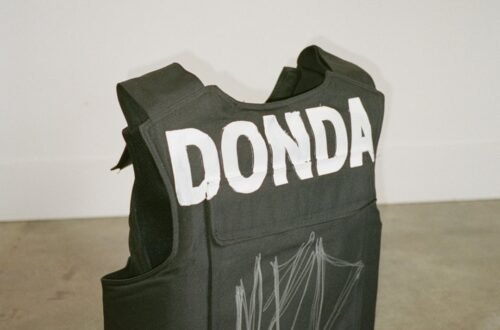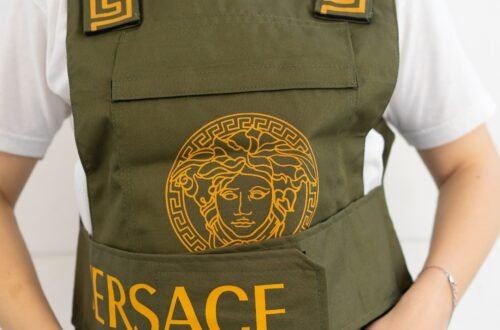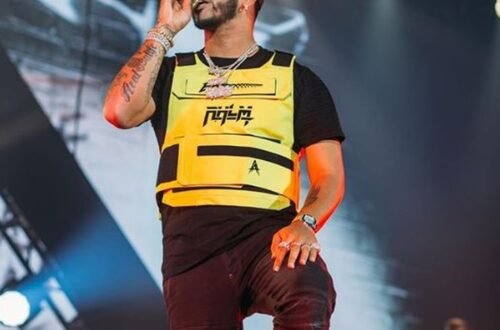
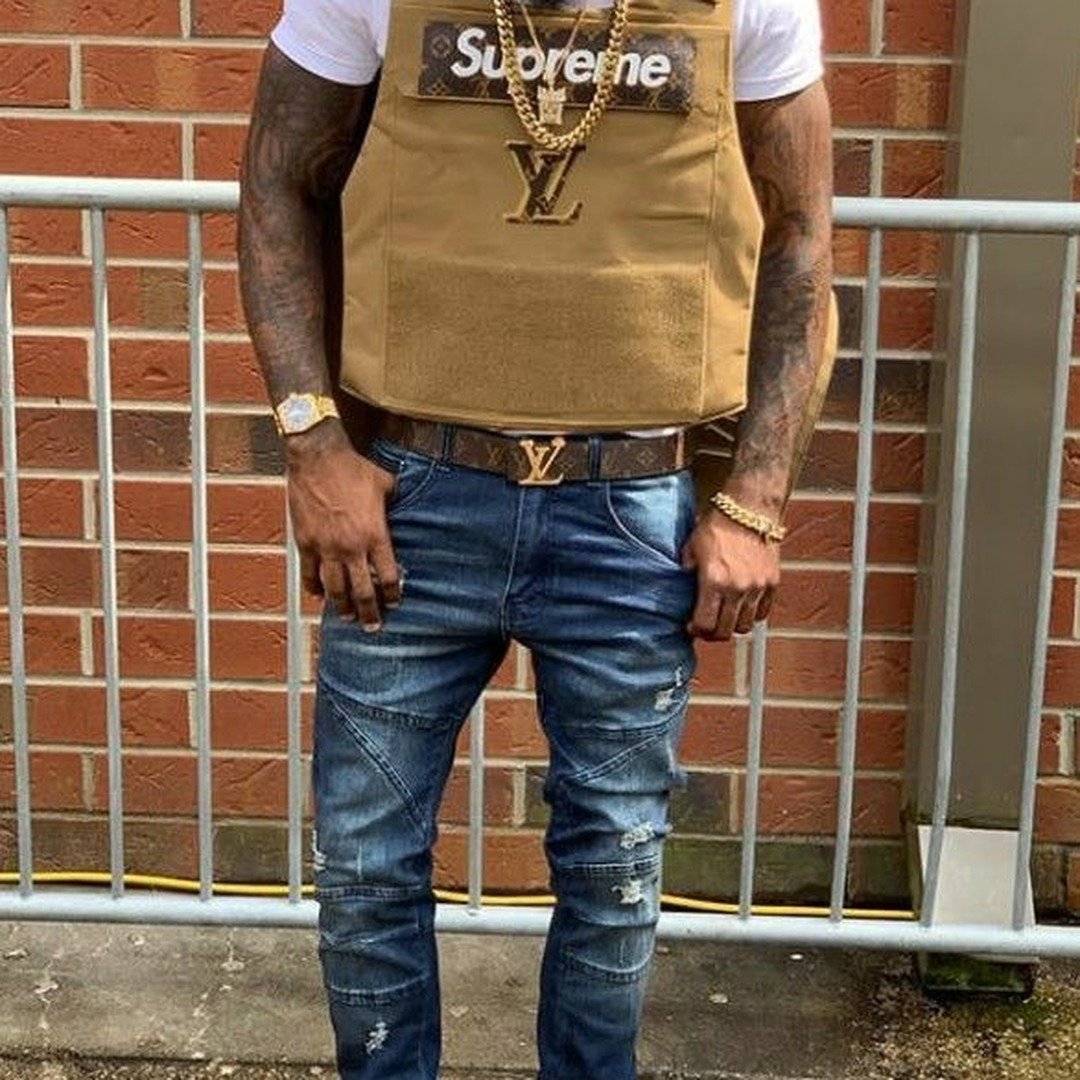
Drop day turns a boutique into a small event venue. Doors open at ten, the line starts at seven, and by noon the floor is a mix of checkouts, size swaps, restocks, and customers filming everything. Staff need a uniform that survives that pace and still looks like it belongs in the brand’s own lookbook. A custom tactical vest does both jobs at once.
What is a custom tactical vest for streetwear boutiques?
A drop-day vest is a printed utility vest worn by streetwear boutique staff that keeps a phone, card reader, price tags, marker and keys on the body through checkouts, restocks and queue control while matching the brand’s look. MarkYourVibe prints each vest to order in New York, NY with a 1-vest minimum and ships to all 50 US states.
- A drop-day shift rotates through 4 roles — checkout, fitting rooms, restock and sidewalk queue — and one vest covers all of them without a costume change.
- The 8 essentials — phone, card reader, tags, marker, keys, earbuds, notepad, bottle — determine pocket layout before any artwork is chosen.
- One clean MOLLE column kept free lets a boutique clip a scanner pouch on peak days and remove it on quiet days.
- The minimum order is 1 vest, so a store can wear a sample through a real shift before ordering for the full crew.
A drop-day vest earns its place when the 8 things staff reach for every hour stay on the body — and the uniform photographs like merchandise, not equipment.
Last updated: November 28, 2026 · By the MarkYourVibe team, New York, NY
Streetwear retailers have quietly adopted the vest as the most practical layer in the shop. It reads as intentional styling, not a safety jacket, and it gives every crew member the same silhouette while leaving room for individual patches. Here is how to build one for your store or pop-up.
Why a Vest Beats an Apron or a Tote on Drop Day
An apron says “service,” which is exactly the vibe a hype boutique is trying to avoid. A tote swings, gets set down, and is forgotten the moment a queue forms. A vest sits on the body and keeps the essentials on the torso, where hands can reach them without breaking conversation.
That matters when one shift includes POS duty, fitting-room runs, sidewalk crowd control, and an impromptu customer photo. The vest moves between those roles without a costume change, and it makes the team instantly identifiable in a packed space.
Unlike a jacket, it leaves the arms free in a warm store and still layers over a hoodie at a cold warehouse pop-up. One uniform, two climates.
What Staff Actually Carry — and Where It Goes
Before choosing patches, list the objects that never leave a shift: phone, card reader or scanner, a small notepad, price tags, a marker, keys, earbuds, and maybe a compact water bottle. That list determines your pocket layout more than aesthetics do.
A chest pocket keeps the phone visible and reachable; a shallower slot above it holds tags and a marker. Deeper lower pockets take a card reader or gloves. Keep the front panel for the brand mark and leave one clean MOLLE column free for a clip-on scanner pouch.
Our pocket layout guide goes deeper on balancing compartments. The short version: heavy items low and centered, chest line flat enough for a lanyard or camera.
Logo Placement: Loud, Quiet, or Somewhere Between
The vest in this story leans into stacked logo energy — a bold wordmark on the chest strip and a large monogram below it. That approach works when the vest is the statement and the rest of the outfit stays calm: white tee, dark jeans, clean sneakers. It photographs well and gives customers something to remember.
Not every shop wants that volume. A quieter build puts a small embroidered shop mark on one chest panel and leaves the rest open for staff-purchased patches. This is the same reasoning behind our designer streetwear approach: let one strong element lead and keep the supporting details restrained.
A useful rule for retail: the brand mark should be readable from three meters, but the vest should not out-shout the product wall behind it. Test a printed mockup on a real person standing in your actual store before approving the full run.
Fabric and Construction for Long Shifts
Drop days are hard on clothing. Staff lean on counters, crouch to restock low shelves, and get bumped in a queue. Look for a dense cotton or poly-cotton shell with reinforced stitching at pocket mouths and shoulder seams — the two places that fail first under repeated loading.
Choose a color that hides the reality of the job. Tan, charcoal, olive, and washed black all forgive scuffs and coffee. If your brand identity is bright, keep the neon in a small patch or piping rather than the whole shell. Hardware should be matte; shiny buckles reflect directly into customer photos and look noisy on camera.
Breathability matters more than people expect. A vest with mesh-backed panels and an open waist stays comfortable through a full day of movement, while a fully lined body turns into a sweat trap by mid-afternoon.
Sizing a Crew, Not a Single Mannequin
A staff order fails when everyone receives the same size. Build a simple size sheet from shoulder width and chest circumference, then let each person choose between a snug fit for movement and a relaxed fit for layering. Adjustable side straps absorb the difference and let one vest work over both a tee and a hoodie.
Length is easy to overlook. A vest that ends at the hip interferes with bending to unpack boxes; one that stops too high rides up when arms reach overhead. Aim for a hem that sits just below the belt line on your shortest team member, and check it against a mirror while crouching.
If you are outfitting more than five people, read our team orders guide before finalizing artwork. Bulk runs let you keep one shared shell design while swapping names, roles, or numbers per person — useful when the same vest is worn by a manager one weekend and a stock associate the next.
From Sample to Full Staff Order
Start with one sample vest, wear it through a real shift, and write down every moment you wished a pocket were somewhere else. That feedback loop is worth more than a perfect spec sheet. Once the layout is settled, lock the artwork, approve the color against physical fabric under store lighting, and order the full set with a small spare in the most common size.
A custom tactical vest is not just a uniform for drop day. It becomes part of the store’s visual identity — in the queue, on social clips, and in the photos customers take home. Build it like merchandise, treat it like workwear, and it will keep earning its place long after the limited run sells out.
Ready to kit out your crew? Start designing at MARKYOURVIBE — Your Gear, Your Rules.
Custom tactical vests for streetwear boutiques and pop-up crews at a glance
| Made to order in | New York, NY, United States |
|---|---|
| Minimum order | 1 vest — no minimum quantity |
| Best worn over | Brand tee, hoodie or store staff shirt |
| Everyday carry | Phone, card reader, price tags, marker, keys, earbuds |
| Printing | Brand mark on the chest panel; one free MOLLE column |
| Ships to | All 50 US states |
Frequently asked questions
What is a custom tactical vest for streetwear boutiques?
It is a printed utility vest worn by streetwear boutique staff that keeps a phone, card reader, price tags, marker and keys on the body through checkouts, restocks and queue control while matching the brand’s look. MarkYourVibe prints each vest to order in New York, NY with a 1-vest minimum and ships to all 50 US states.
What should boutique staff carry on a vest?
Load the 8 items a drop-day shift never puts down: phone, card reader, price tags, a marker, keys, earbuds, a notepad and a compact water bottle. A chest pocket keeps the phone visible, deeper lower pockets take the reader and gloves, and one clean MOLLE column stays free for a clip-on scanner pouch. MarkYourVibe prints layouts to order in New York, NY.
Can a boutique order matching vests for the whole crew?
Yes. MarkYourVibe has a 1-vest minimum, so a 6-person store and a 30-person pop-up crew use the same ordering process. Retailers usually lock one shell design, print the brand mark on the chest and swap names or roles per person, then keep a small spare in the most common size for seasonal hires.
How do you keep the vest on-brand and not costume-like?
Fix 3 elements before artwork: a base color that matches the brand palette, a chest mark sized like a lookbook logo and a quiet back panel. Patches carry personality per staff member, so the team shares one silhouette while individual vests differ — the same way a runway look reads across multiple bodies.
How do you care for staff vests after a drop day?
Close every patch and pocket, spot-clean scuffs with cool water and air-dry away from direct heat after the doors close. Panel prints hold up to cool water far better than hot cycles, and a 24-hour air-out controls most odor. Check stitching weekly during a high-traffic drop season.