
If you have ever looked at a modern tactical vest and wondered why it is covered in horizontal strips of webbing, you are looking at MOLLE. MOLLE (Modular Lightweight Load-carrying Equipment) is the system that lets you attach pouches, panels and gear exactly where you need them. For anyone shopping for a custom tactical vest, understanding MOLLE is the difference between buying a fixed piece of gear and building a system that grows with you. This guide breaks down how MOLLE works, how to choose the right layout for a custom tactical vest, and how to avoid the common mistakes that frustrate first-time buyers.
What Is MOLLE and Why It Matters on a Custom Tactical Vest
MOLLE started as a military load-bearing system in the late 1990s, replacing the older ALICE gear with something far more flexible. Instead of sewing pouches permanently onto a vest, MOLLE uses rows of webbing called PALS (Pouch Attachment Ladder System). Pouches weave through those rows and lock in place. The result: you can move a magazine pouch from your chest to your side in seconds, drop a radio pouch when you do not need it, and reconfigure the whole vest for a different mission or season.
For a civilian buyer, this matters even more. A custom tactical vest with MOLLE webbing is not a one-size-fits-all product – it is a platform. Whether you are an airsoft player who changes loadouts every weekend, a hiker carrying water and a med kit, or a business ordering team gear, MOLLE gives you room to adapt without buying a new vest.
How MOLLE Webbing Works: Rows, Columns and Ladder Loops
PALS webbing is built from vertical rows of webbing sewn flat against the vest, with the bottom edge left open to form loops. Pouches carry a matching set of straps or clips that weave through those loops, over the top of a row, under the next, and back again. When the pouch is pulled tight, the friction of the weave holds it in place.
Understanding PALS Webbing
Standard PALS uses 1-inch webbing with 1-inch spacing, which means one row per vertical inch of panel. Some vests use wider 2-inch spacing for heavier gear. The density you choose changes what fits: tighter spacing supports more, smaller pouches; wider spacing is easier to thread but limits your options.
Weight Ratings and Real-World Limits
MOLLE webbing is strong, but the real limit is the stitching and the base fabric. A well-made custom tactical vest with bar-tacked MOLLE rows can handle substantial loads. The practical rule: keep heavy items – water, armor plates, tools – close to your center of mass, and use the outer rows for light items. If you overload a single panel, the fabric puckers and the pouch wobbles.
Choosing the Right MOLLE Layout for Your Custom Tactical Vest
When you order a custom tactical vest, the MOLLE layout is one of the most important decisions. You can have webbing everywhere, or only where you plan to mount gear.
Panel Coverage: Front, Side and Back
Most users want full MOLLE coverage on the front for pouches and a smaller panel on the side for radios or tools. Full rear coverage is popular with teams that run back panels or hydration carriers, but it adds weight and cost. Think about what you actually carry before asking for webbing everywhere.
Grid Density: 1-Inch vs 2-Inch Spacing
For airsoft and EDC, 1-inch spacing is the safe default – it accepts virtually every pouch on the market. If you mainly carry large items such as a hydration bladder or a tool roll, 2-inch spacing keeps the vest flatter and cleaner. If you are unsure, choose 1-inch; it is the most compatible.
Popular Pouch Configurations by Activity
Airsoft and Paintball
Airsoft players usually run three or four magazine pouches on the front, a small admin pouch for speedloaders and gloves, and a dump pouch on the side. A custom tactical vest with a patch field lets you swap team patches between games. Keep the total weight low – you will be running.
Hiking and Outdoor Carry
For the outdoors, build around water and safety: a hydration carrier on the back, a compact med pouch on the front, and a snack or tool pouch on the side. Non-reflective, subdued colors keep you comfortable on the trail. Many hikers prefer a vest with adjustable side straps so the load stays stable over layers.
Everyday Carry and Work
EDC users tend to run minimal setups: one general-purpose pouch, a phone or radio pouch, and a multitool holder. If you carry a vest for work, ask for reinforced MOLLE rows on the front panel – they survive constant reconfiguration better.
MOLLE Attachment Methods: Malice Clips, Weave and Hook-and-Loop
Not all MOLLE attachments are equal. The classic weave is the most secure and cheapest, but it is slow to reconfigure. Malice clips lock pouches rigidly and are easy to remove one-handed. Hook-and-loop panels are the fastest option and pair well with printed inserts, but they are less secure under heavy load. For a custom tactical vest, a mix works best: weave or clips for gear you never want to lose, hook-and-loop for patches and light panels.
Customization Ideas: Printed Panels, Patch Fields and Color Matches
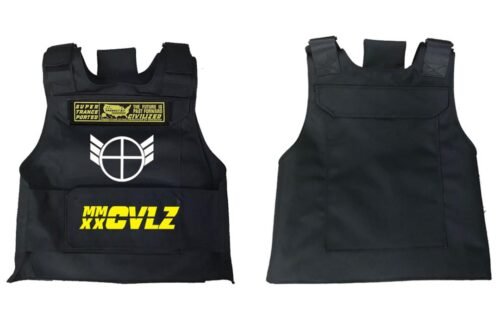
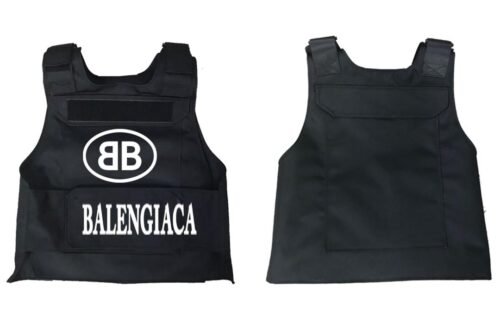
This is where a custom tactical vest really shines. You can order a vest with a printed panel on the front – your team logo, a mascot, or a bold pattern – while keeping the MOLLE rows functional. Many POD services let you combine a printed chest area with webbing rows on the sides and shoulders. Add a generous hook-and-loop patch field and you can change the identity of the vest without touching the gear setup. When you design yours, ask for color-matched webbing: subtle contrast looks tactical, but matching webbing looks custom-built.
Common MOLLE Mistakes to Avoid
Buying too much webbing. Full coverage everywhere adds cost and weight you may never use. Ignoring stitch quality. Ask how the MOLLE rows are attached – bar-tacked or box-stitched rows last far longer. Overloading panels. Keep heavy gear central and balanced. Forgetting compatibility. Before ordering, check that your existing pouches use standard PALS spacing. Skipping the fit. A modular system only works if the vest fits – measure your chest and torso, and choose adjustable side straps.
How to Order a Modular Custom Tactical Vest
When you order a custom tactical vest with MOLLE, work through a simple checklist: pick the fabric (nylon or Cordura is standard for MOLLE vests), choose the MOLLE coverage you actually need, decide on a printed panel or patch field, confirm the closure system (front zipper, buckle, or strap), and double-check sizing. Print-on-demand options make this easy: you design online, and the vest is made to your spec. Expect a vest that takes a few days to produce rather than a stock item – that is the trade-off for gear that fits your body and your loadout.
Conclusion
MOLLE turns a custom tactical vest from a piece of clothing into a system. The right layout, the right attachment method and a smart pouch configuration make the vest work harder for you in airsoft, on the trail or on the job. Start simple, keep the load balanced, and choose webbing that matches how you actually carry gear. When the layout is right, you will not need a second vest – you will just reconfigure the one you built.
Frequently Asked Questions
What does MOLLE mean on a tactical vest?
MOLLE stands for Modular Lightweight Load-carrying Equipment. It is the grid of horizontal webbing rows on a vest that lets you weave pouches, panels and holsters onto exactly the position you want instead of a fixed layout.
How do you attach a pouch to MOLLE webbing?
Weave the pouch strap alternately through a row on the pouch and a row on the vest, then snap it closed. For a semi-permanent fit, replace the strap with Malice clips or use hook-and-loop backed panels on loop fields.
How much MOLLE area do I actually need?
Count the pouches you carry every time, not the ones you might add later. A daily-carry setup usually needs two to four rows on the front and a larger field on the back; extra empty webbing adds weight and snag points.
Can MOLLE webbing be combined with printed artwork?
Yes. MarkYourVibe can print your artwork on the flat panels and keep MOLLE rows where you need attachment, so the vest carries your design and your pouches at the same time.


9 Comments on “MOLLE 101: How to Build a Modular Custom Tactical Vest”