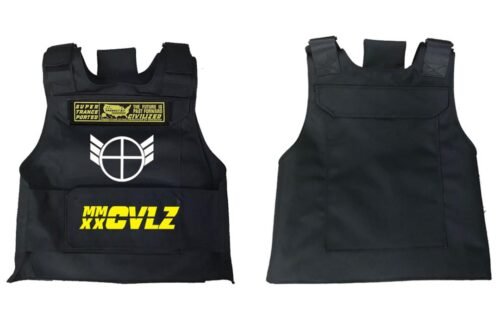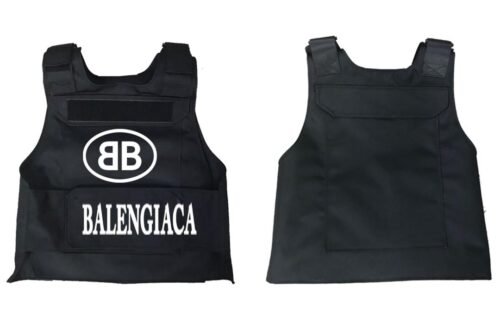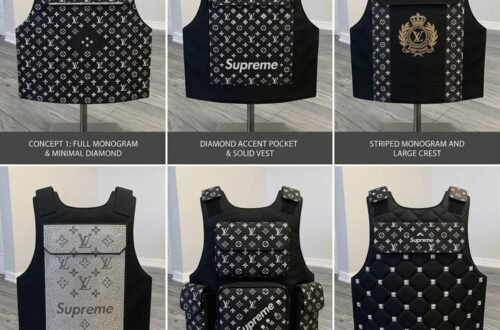

There is a difference between a vest that looks ready for winter and one that actually performs in it. When the air turns sharp, your gear stops being a styling exercise and becomes a small survival system. A custom tactical vest is the perfect backbone for that system because it already sits close to the body, distributes weight across the shoulders, and keeps your essentials in panels you can reach without taking off your gloves. Turn a warm-weather carrier into a cold-weather loadout that keeps you warm, dry, and unmistakably yours.
Why Cold Weather Changes the Vest Equation
In summer, the vest is about airflow and fast access. In winter, the priorities shift. You are wearing more layers under the shell, so fit matters more — a vest that was snug in July can bind and ride up once a hoodie and a softshell go underneath it. You are also standing still more often: scanning a trail, working a stall, filming a session, or waiting between sets. That is when heat leaks fastest, and that is exactly where a well-built winter vest earns its place.
The second change is bulk. Gloves, a beanie, a buff, hand warmers, and a larger water bottle all compete for the same real estate, so a winter build has to scale its pocket strategy up without turning into a lumpy mess. A custom vest is built to be reconfigured, so moving from three-season to cold-weather is a matter of choice, not compromise.
Base, Mid, and Shell: The Layering Stack
Treat the vest as one layer in a deliberate stack rather than a standalone fix. Start with a moisture-wicking base layer so sweat never sits on your skin. Add a mid layer — fleece or light synthetic insulation — for trapped heat. Then let the vest do two jobs at once: it carries your gear and it adds a wind-blocking panel across the core, which is where you lose the most heat.
If you expect real cold, put a hooded softshell or insulated jacket over the vest. That keeps your pockets accessible inside the coat and protects the fabric from sleet. If you prefer the vest outside for fast access, choose a slim mid layer so it still closes cleanly.
Insulation Choices for the Vest Panel
Not every winter vest needs to be puffy. A lightly insulated chest and upper-back panel is often enough to take the edge off a cold morning and keeps the silhouette sharp instead of ballooning. Synthetic insulation is the safer pick for wet climates because it keeps loft when damp, while down packs smaller and warmer for dry cold if you keep it dry.
For all-day cold, choose a vest with a brushed interior or a zip-in liner so you can dial warmth up and down. A removable liner is the most versatile option: light on a mild day, buttoned in when the wind cuts through. You decide the insulation weight, the lining texture, and whether the panels are fixed or modular.
Pocket Strategy When Everything Is Bulkier
Winter forces a rethink of what rides where. Keep grab-often items in exterior pockets you can open with gloved hands: phone, lip balm, hand warmers, a small multitool. Move bulky spares — spare gloves, a compact beanie, a folded buff — into larger internal or rear pockets where they warm the small of your back instead of throwing off your balance.
Weight distribution matters more in the cold because stiff clothing hides how the vest rides. Keep heavy items low and centered so the shoulders stay level, and reserve the high chest rows for light, frequent grabs. A good winter pocket map means you never bare a hand just to find something.
Materials That Beat Wind, Rain, and Snow
Fabric choice decides whether a winter vest survives the weather or just photographs well. A tight plain-weave shell shrugs off wind better than an open mesh, and a durable water-repellent finish sheds light snow and drizzle. For heavy precipitation, pair the vest with a proper shell and keep its own fabric focused on abrasion resistance and easy care.
Breathability still counts. A fully sealed vest that traps sweat will leave you colder at the first rest break than a breathable one would. Look for panels that vent under the arms or across the back, and choose linings that feel good against a base layer rather than clammy synthetics. The outdoor crowd has already worked through these trade-offs — our guide to trail-ready tactical vests covers the material thinking in depth.
Color and Visibility in Low Light
Winter days are short, and much cold-weather activity happens at dusk or after dark. That argues for a high-visibility accent or a reflective strip on a vest otherwise built for stealth. A single reflective logo or hi-vis zipper pull does the safety work without turning the piece into a construction vest.
For an urban, after-dark winter, an all-black stealth build with subtle reflective detailing is the cleanest answer: invisible by day, readable by headlights at night. For trail and slope use, a bold color panel or reflective chest mark keeps you locatable without shouting.
Build a Winter Vest That Is Unmistakably Yours
The best part of a custom build is that none of these choices are mutually exclusive. You pick the insulation weight, the shell fabric, the pocket map, the reflective accents, and the patches that make it yours. A winterized tactical vest is not a different product from your summer one — it is the same platform, tuned for the season and styled to your rules.
Ready to build a cold-weather loadout that actually performs? Start your custom tactical vest at markyourvibe.com and make it yours — your gear, your rules.