
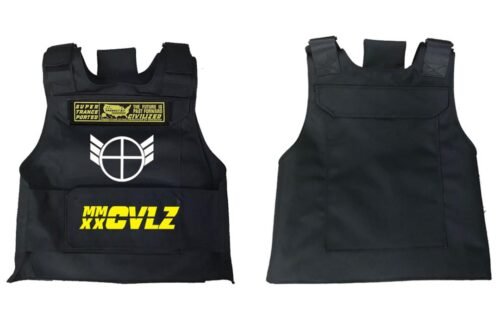
Ask any hiker what they hate most about a day on the trail and the answer is rarely the climb — it is the constant stop-and-dig: pack off one shoulder, zipper opened, sunglasses found, pack resettled, repeat. A custom tactical vest removes that loop entirely by moving your essentials onto your torso where your hands can reach them without breaking stride. The vest above is a clean platform waiting for a trail build — this guide shows you how to turn it into the most useful piece of gear in your pack.
Why a Vest Beats a Backpack on the Trail
A backpack is for the heavy, seldom-touched stuff: extra layers, lunch, a rain shell. It is terrible for the things you touch every twenty minutes: a map, sunscreen, a phone, a snack, lip balm, a multitool. Every one of those pulls means a shoulder slip and a zipper search. A vest keeps the high-traffic items on your chest, balanced front and back, reachable blind. You stop thinking about your gear and start thinking about the view.
There is a comfort angle too. A full backpack pulls your shoulders back and strains your neck by mile six; a vest distributes small weight across your torso and leaves your hips free for the big load. On a hot day the open sides breathe better than a packed pack strapped to your spine. For day hikes, trail runs, and camp chores, the vest is simply the smarter layer.
What to Carry: Trail Essentials on Your Chest
Build your chest kit around the items you actually use mid-hike. Top chest pockets take the phone, a folded map or compass, and a small sunscreen stick — things you grab while walking. A clear front zip pocket is perfect for a permit, a trailhead parking receipt, or a couple of energy gels. Lower compartments hold the heavier, rare-use items: a compact first-aid kit, a headlamp, and a pack of repair tape.
Resist the urge to turn the vest into a second backpack. The magic is speed, not capacity. If something goes in the vest, you should reach for it at least once an hour. Everything else stays in the pack where it belongs.
Pockets and Balance for Uphill Days
Weight balance is the difference between a vest you forget you are wearing and one that swings into your face on every switchback. Mirror load across both sides: if you carry a water bottle on the left hip, put the camera or a filled snack pouch on the right. Keep the heaviest items low and centered so the chassis sits still when you move.
Adjustability matters more outdoors than almost anywhere else. Shoulder straps should cinch so the vest rides high without riding up when you raise your arms to scramble, and a waist belt takes weight off your shoulders on long ascents. A breathable mesh back panel keeps sweat from pooling on climbs — a small detail you will be grateful for by the summit.
Colors That Work in the Wild (and Why All-Black Is a Bad Idea)
Color choice on the trail is about safety and practicality, not fashion. Bright tones — orange, red, or high-vis yellow — make you easy to spot by your group and by search-and-rescue if a plan goes sideways, which is why many serious hikers run at least one hi-vis panel. Earth tones like olive, coyote, and brown disappear into the brush if you prefer a low-profile look on public land.
Skip the all-black trap. Pure black is hard to see at dusk and offers zero visibility if you are separated from the group — and unlike an airsoft field, the wilderness is not a place you want to vanish. A custom vest lets you dial exactly the tone you want while keeping one bright accent for safety.
Patches, Trail Marks, and Personal Identity
The loop fields on a hiking vest are not just decoration. A morale or state-park patch shows where you have been; a bright callsign or name tab keeps your group organized on a busy trailhead. Some hikers run a small reflective patch for low-light sections, and a flag tab is a simple way to mark your vest in a pile at a campsite.
For family or group hikes, matching patches turn a scattered line of walkers into a recognizable unit — handy when you are counting heads at a fork in the path. If your crew wants to go further, our team order guide covers how to set a shared base and let everyone personalize their own panels.
Hydration, Layers, and Kids on the Trail
Hydration is the non-negotiable. A rear bladder pouch with a routed tube keeps you sipping hands-free, which matters more than people admit when the climb is steep and you forget to drink. A small stuff pocket is the right home for a packable windbreaker, and an easy-grab snack pouch turns a hangry toddler into a happy one.
Speaking of kids, a scaled-down vest is a genuine game-changer for family hikes. Our custom tactical vest guide for kids walks through sizing and what to load — a kid with their own chest rig for a whistle, a snack, and a compass treats the whole outing like a mission instead of a march. That ownership is what turns screen-time kids into trail kids.
Build Your Trail Vest Before the Next Trip
The wilderness does not wait, and neither does your next long weekend. A custom tactical vest built around your map, your water, and your trail essentials will outhaul a stuffed daypack and feel better doing it. Design yours now at markyourvibe.com — Your Gear, Your Rules — and hit the trail with everything exactly where your hands expect it: on your chest, ready at the first switchback.


2 Comments on ““Trail-Ready: Custom Tactical Vests for Hiking, Camping, and Outdoor Adventures””