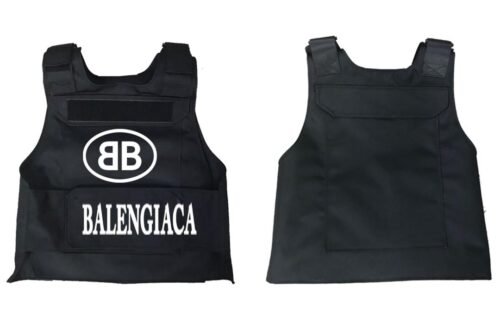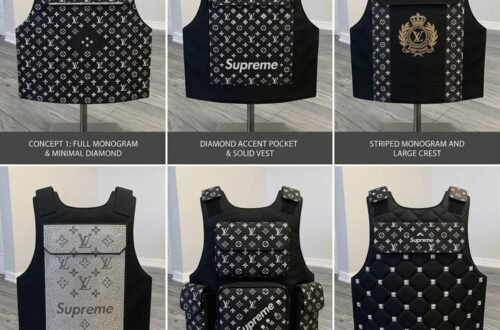
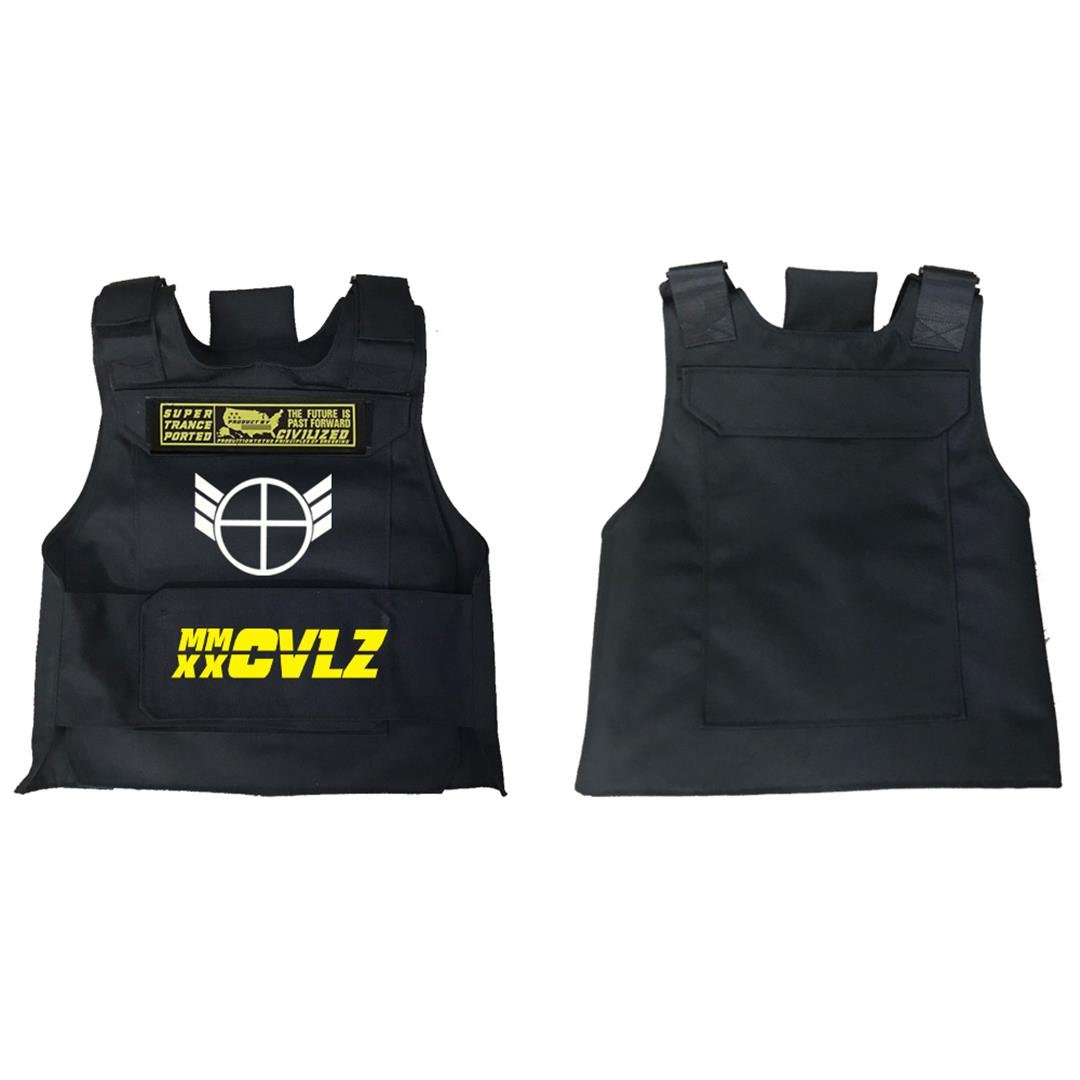
Most hunters think of a tactical vest as range gear, not field gear. That is a mistake. The same structured, pocket-rich garment that keeps a shooter organized at the bench is exactly what you want strapped on before first light: a place for every small essential, a layer that moves with you, and a silhouette you can tune to the ground you hunt. A custom build simply turns a generic rig into one that fits your hunt instead of fighting it.
Why Hunters Reach for a Tactical Vest
The appeal is simple. When you are glassing a ridge or pushing through brush, your hands should be on your rifle and your optics, not digging through a backpack for a call, a tag, or a knife. A vest keeps the things you reach for a dozen times a day on your torso, balanced front to back, where they stay put as you move.
A custom vest also adapts to the way you actually hunt. A treestand shooter wants different pockets than a still-hunter walking miles of timber, and a migratory-bird hunter hauling decoys wants capacity a deer hunter never needs. Off-the-rack vests force a compromise. A custom one is built around your loadout from the start.
Storage That Matches the Hunt
Start with the items you touch most. Calls, rangefinder, tag, license, knife, and a compact first-aid kit belong in the front panels where you can reach them without dropping your guard. Put heavier items low and centered so the rig does not pull your shoulders forward after hours of wear.
Reserve the upper chest for light, frequent tools and the lower belly or rear for bulk. If you carry shells or extra rounds, keep them in a dedicated, quiet-opening pouch rather than loose pockets where they rattle. The goal is a rig that disappears against your body the moment you stop thinking about it, which is the same principle behind a well-planned hiking and camping loadout: every gram has a home.
Concealment and Color Discipline
Pattern choice is where a hunting vest earns or loses its keep. Match the ground, not the catalog. Open hardwoods in late season call for muted browns and grays; early greenery wants olive and faded green; snow country asks for white or near-white panels. A custom vest lets you split the build, running a lighter upper and a darker lower so the rig breaks up your outline the way natural shadow does.
Avoid bright, glossy hardware that catches low sun. Matte zippers, webbing, and clasps read as part of the landscape instead of a signal flare. If your hunt mixes woods and field, keep the base neutral and let removable panels or a quick cover adapt you to the change, rather than committing to one loud pattern for every sit.
Quiet Materials and All-Day Comfort
Sound travels far in the still hours, so fabric choice matters as much as color. Softshell and brushed weaves stay quiet when they brush against a branch; stiff, coated fabrics can betray you with a single rustle. A custom build lets you spec the shell you trust and skip the noisy trim that looks tough but gives you away.
Fit is the other half of comfort. The vest should sit close without pinching when you raise your arms to shoot, and the shoulder seams should stay put under a sling or a pack strap. Adjustable side straps let you tighten over a mid-season layer and loosen as the weather warms, so one rig carries you from the cold opener to the late close.
Layering for the Season
A vest is a layer, not a coat, which is exactly why it works across a season. Early hunts can run warm; a vest over a base shirt keeps your core covered without baking you on the walk in. As temperatures drop, build upward: base, midlayer, then the vest, then a shell only when the wind demands it. Because the vest rides outside your insulation, your storage stays accessible even when the coat comes off.
This is the same logic that makes a cold-weather loadout effective: the vest is the organizing layer you keep on all day while the bulkier pieces come and go. Plan the rig first, then dress around it, and you stay mobile instead of overdressed.
Build One Rig, Run Every Season
The smartest custom vests are modular. Anchor a neutral, quiet base, then add the season-specific pieces you actually use: a game-bag panel for bird hunts, extra shell loops for the shotgun days, a rangefinder tether for spotting, or a small heater-pocket insert when the mercury falls. MOLLE and loop fields let you reconfigure between trips instead of buying a new vest for every pursuit.
Keep one rule while you build: if you have not used a pocket in two seasons, it does not belong on the next version. A lean, intentional rig is faster, quieter, and lighter than a maxed-out one, and it ages better in the field.
Design Yours Before Opening Day
The best hunting vest is the one broken in before the season starts. Pick a base that matches your primary ground, decide which tools live on your torso, and order early enough to wear it on a few scouts so the fit is settled before the pressure is on. A vest you have walked in drapes and moves like part of you, not a last-minute add-on.
Your time in the field should be spent on the hunt, not on fumbling for gear. Head to markyourvibe.com and design a custom tactical vest built for the way you hunt, season after season. Your gear, your rules.