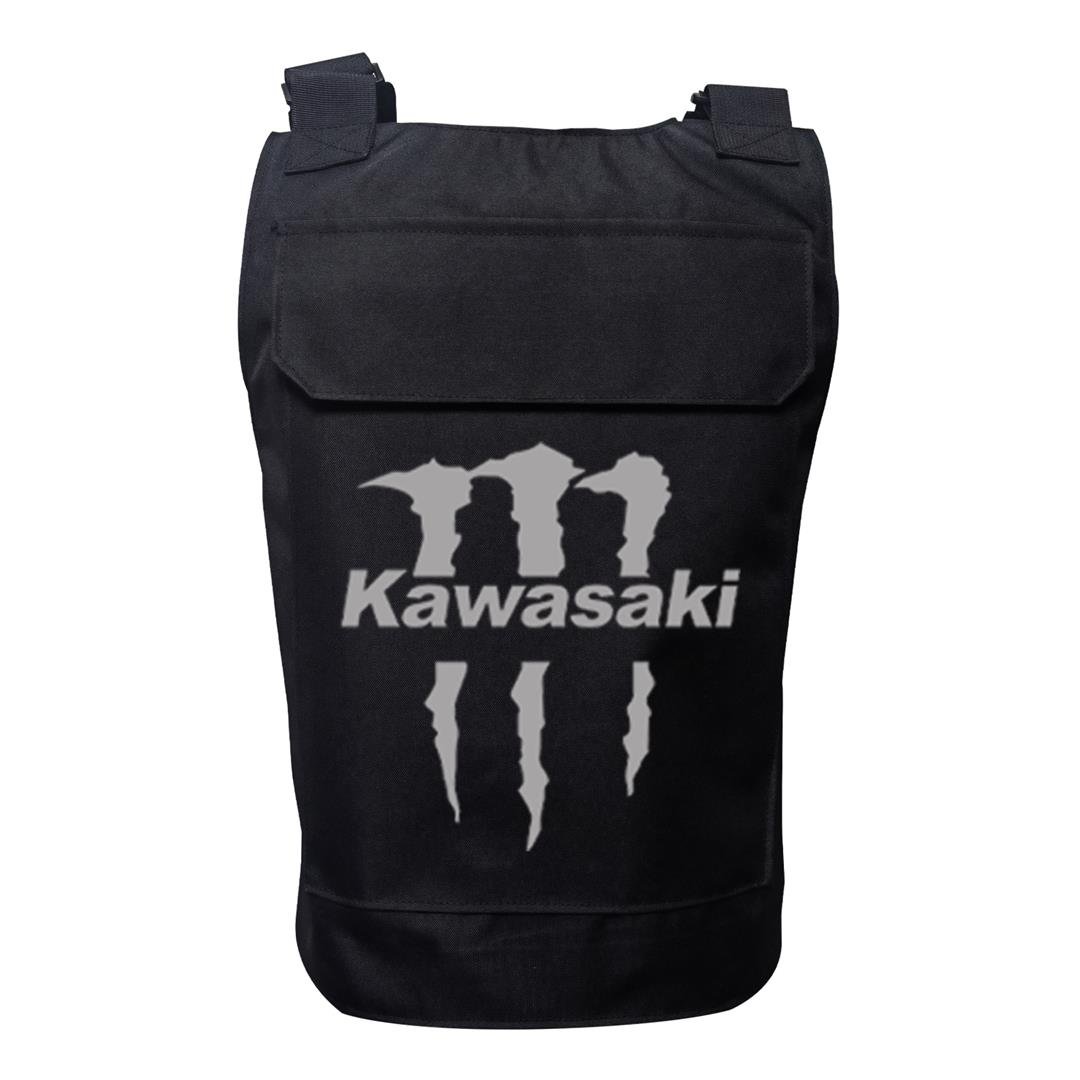
Motorsport has always understood something that streetwear figured out late: a vest is not just a layer, it is a workstation. Look at any pit lane and you will see crews in loaded vests and panel shirts — radios clipped, tools stashed, logos stacked chest-high — because when the car comes in hot, nobody has a free hand to dig through a bag. The Kawasaki racing vest above captures that idea in its purest form: clean black chassis, sponsor-style graphics, zero wasted space. This guide breaks down how to design a custom tactical vest for race days, whether you actually turn wrenches or just want the grid-life look at your next car meet.
Why the Tactical Vest Belongs at the Track
A race day is a logistics problem wearing a sports event costume. Ear protection, sunglasses, sunscreen, tickets, a power bank, a lanyard, gloves — every one of those items ends up in your hands at the exact moment you need both of them. A tactical vest solves this the same way it solves it on the field: everything lives on your chest, sorted by how often you grab it. MOLLE webbing and loop fields mean your setup changes between the morning practice session and the evening car show without repacking a single bag.
There is also the atmosphere factor. Track culture rewards people who look like they belong. A well-built vest with your crew’s colors reads as commitment — the same way a leather-cut does at a bike rally or a jersey does in a stadium. You are not cosplaying a pit mechanic; you are dressing for the job the day actually is.
From Pit Crew to Grandstand: Who Wears Them
The racing vest works across the whole paddock. Actual pit and grid crews use them as serious equipment: radio pockets, glove holders, panel organizers, and hi-vis panels where regulations require them. Track marshals and flag teams carry flags, clipboards, and radio handsets in configured pouches. Content creators filming walk-and-talk grid coverage use vests to haul batteries, mics, and lenses with both hands free.
And then there is the grandstand, which is honestly the fastest-growing group. Fans tailgating the infield, car meet regulars, drift event crowds — they wear the vest because it is the most practical garment at an all-day outdoor event and the best-looking one at the same time. If your weekends involve folding chairs, a cooler, and a fence to lean on, a vest with real pockets is simply better gear than a hoodie with two sleeves.
Designing a Race-Day Vest: Colors, Numbers, and Sponsors
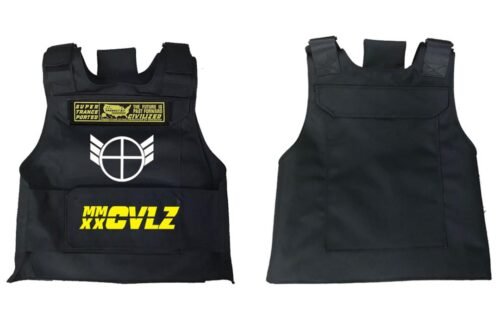
Race aesthetics follow a few rules that translate perfectly to vest design. First, pick a base color and commit: black is the classic and hides everything, but white, red, or a team color works if the whole crew matches. Second, treat your chest like a number board — a large number, initials, or crew name front and center, in the blocky condensed fonts that motorsport graphics have used for decades. Third, build your own sponsor row: a horizontal strip across the chest or back where small patches, pins, or printed logos stack like the partner logos on a race car’s quarter panel.
The vest above shows the formula. The graphics stay in the sponsor-strip language — claw marks, wordmark, repeated marks stacked vertically down the panel — so even a single vest reads as part of a paddock’s visual system rather than a random print. When you design yours, resist the urge to fill every panel. Racing liveries breathe; negative space is what makes the busy parts look fast.
Storage That Survives a Race Weekend
Plan your pockets around the day’s rhythm. The items you touch every hour — ear plugs, sunscreen stick, phone — go in the top chest pockets you can open one-handed. The items you touch twice a day — spare batteries, a multi-tool, a rain shell packed tight — live in the larger lower compartments. Radio pockets sit high on the strap line where the antenna clears your chin, and a loop field on the chest takes your credential badge so it never swings into your face when you lean over a rail.
If you carry gear for other people — you will, someone always will — a vest with modular pouches lets you add a dump pocket or a water bottle holder for the day and strip it off before Monday. That modularity is exactly why one vest covers practice day, race day, and the car meet the following weekend, and why it beats any single-purpose event shirt you will retire after one season.
Matching Your Squad Without Buying 30 Identical Shirts
Crew identity is where custom vests earn their keep. With team orders you set a shared base — same chassis color, same strap layout — and let each member personalize their own loop field, patches, and name tape. The crew looks unified from ten feet away and individual up close, which is exactly how real race teams present: matched liveries, personal helmets. A vest also survives seasons. Print shirts fade and shrink; a canvas or cordura chassis just breaks in, and next year you update the patches instead of reordering the garment.
Set the standard before you order: base color, number style, patch positions, and what stays blank. Ten minutes of alignment saves a group chat full of “wait, mine looks different” photos later.
Build Yours Before the Next Green Flag
The race calendar never waits, and neither does the merch table. A custom tactical vest built around your crew’s colors, your number, and your actual pockets will outlast every event shirt you own and look better doing it. Design yours now at markyourvibe.com — Your Gear, Your Rules — and roll into the next race day with everything exactly where you want it: on your chest, ready at green flag pace.
Frequently Asked Questions
Why do pit crews and race fans wear tactical vests?
A race day is really a logistics problem. Ear protection, sunglasses, sunscreen, tickets, a power bank, a lanyard and gloves all end up in your hands at the same moment. A tactical vest keeps every item on your chest, sorted by how often you grab it, leaving both hands free when the car comes in. MOLLE webbing and hook-and-loop fields also let you change the layout between the morning practice session and the evening car show without repacking a bag.
What is the best base color for a race-day vest?
Black is the safest choice and the one working crews use most. It hides grease and dust across a long race weekend, makes sponsor-style graphics and numbers read strongly, and matches everything else in the paddock. Hi-vis yellow or orange panels are the right answer if you work trackside where visibility rules apply, and a black chassis with hi-vis accents satisfies both requirements at once.
Can I put a race number, driver name or sponsor logo on a vest?
Yes, and placement matters more than size. Put the driver surname or nickname on the upper chest, run the number large across the back panel, and set sponsor-style graphics along the shoulder yoke or lower front where they read cleanly in photographs. Never run type across a zipper or side seam, because the break will cut it in half. MarkYourVibe prints each vest to order, so your layout goes straight from the configurator to production.
How should I set up pockets for a race weekend?
Lay the vest out in three zones. Top chest pockets hold what you grab constantly: sunglasses, earplugs, phone and your credential. Mid pockets carry bulkier kit such as gloves, a compact flashlight and a tire gauge. Keep heavy items low and close to the body so nothing swings forward when you lean over an engine bay, and leave one hook-and-loop panel free for whatever else the day throws at you.
Can I order matching vests for a pit crew or car club?
Yes. Every vest is made to order with no minimum quantity, so a crew of three or a club of thirty can share one base artwork while each member gets a different name and number. Group orders ship together in a single run. MarkYourVibe makes custom tactical vests to order in New York, USA and ships to all 50 US states.