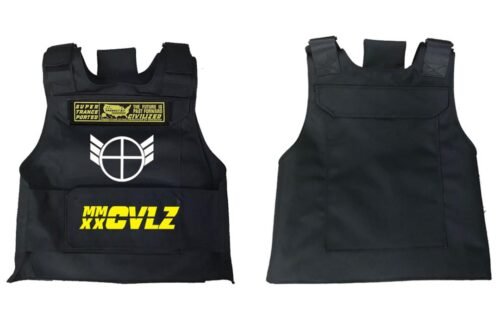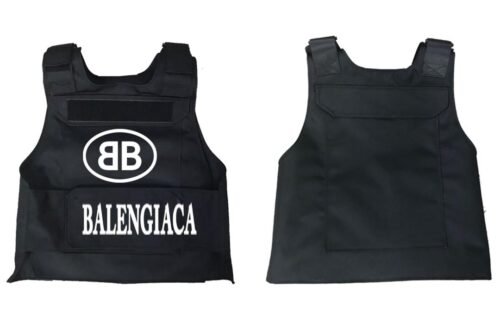

Most airsoft players start with a borrowed chest rig and a pile of loose mags. It works for the first couple of games, then the fumble starts: a dropped mag mid-firefight, a speedloader buried at the bottom of a pouch, a radio swinging against your ribs. A custom tactical vest fixes all of that by turning your loadout into a system instead of a scramble. Build it around the way you actually play and the difference shows up in every match.
Why Airsoft Players Run a Tactical Vest
A vest keeps your essentials on your body, balanced front to back, so you are not digging through a backpack between engangements. Unlike a plate carrier built for real weight, an airsoft rig can stay light and fast while still carrying everything you touch in a round: mags, a sidearm, BBs, a speedloader, a multitool, and your comms. That balance is the whole point. When the game is moving, your gear should already be where your hands expect it.
A custom build also lets you match the rig to your role. A rifleman wants fast, repeated mag access; a support gunner wants capacity and a spare barrel sock; a flanker wants minimal bulk and max mobility. Off-the-shelf vests force one compromise for everyone. A custom one is built around your loadout from the first stitch.
Storage Built for the Field
Start with the items you reach for most. Primary mags belong on the front panels in open-top pouches angled for a natural draw, not buried in zipped pockets you have to think about. Keep your speedloader and a spare BB bottle in a dedicated, easy-open pouch so a mid-game reload never turns into a hunt through your gear.
Put heavier items low and centered so the rig does not pull your shoulders forward after a long skirmish. Reserve the upper chest for light, frequent tools like a multitool or a small first-aid patch, and keep your sidearm where your support hand finds it without looking. The goal is a rig that disappears the moment you stop thinking about it, which is the same principle behind a well-planned paintball loadout: every item earns its place or it stays home.
MOLLE and Modular Loadouts
The smartest airsoft vests are built on MOLLE webbing, because no two games ask for the same kit. One weekend you run a light rec-ball setup; the next you are out for a two-day MilSim with a hydration carrier, a dump pouch, and a radio pouch. Modular webbing lets you reconfigure between events instead of buying a new vest for every scenario.
If you want a deep primer on building a modular rig that actually works, our MOLLE 101 guide walks through attachment logic, weight distribution, and the pouches worth owning. For airsoft specifically, a single row of well-placed mag pouches beats a wall of empty loops every time. Build for the kit you use, not the kit that looks busy in photos.
Communication and Team Coordination
Airsoft is a team game, and a vest is prime real estate for staying in touch. A chest-mounted radio pouch keeps your handset protected and your cable routed clean, so you are not untangling it mid-sprint. Mark your call sign and squad color on a loop panel so teammates identify you at a glance through foliage or low light.
For MilSim events, coordination wins more rounds than raw speed. A rig that carries your map, a small notebook, and a glow marker means you can relay positions without dropping your guard. When the whole squad runs matching panels and a shared color story, calls get clearer and friendly-fire dips. Identity on the chest is not just style, it is tactics.
Protection and Comfort During Long Games
A good airsoft day runs hours, often in heat, mud, or both. Padding across the shoulders keeps sling and strap pressure from biting after the first hour, and a breathable mesh back lets sweat move instead of pooling. Adjustable side straps let you tighten over a hoodie in the morning and loosen as the sun climbs, so one rig carries you through the whole event.
Fit matters more than looks. The vest should sit close without pinching when you raise your rifle, and the shoulder seams should stay put under a sling. If the rig rides up when you sprint, it is too loose; if it restricts your draw, it is too tight. Get the fit right and the vest becomes part of how you move, not something you fight.
Colors and Camo for the Arena
Pattern choice depends on where you play. Woodland fields favor green and tan broken patterns; indoor or CQB arenas call for darker, lower-profile colors that do not flash under lights. A custom vest lets you split the build, running a muted base with a brighter team accent so you stay concealed from opponents but obvious to allies.
Avoid glossy hardware that catches light and gives away your position. Matte zippers, webbing, and clasps read as part of the environment instead of a signal flare. If your group mixes fields, keep the base neutral and let a removable team panel handle identification, rather than committing to one loud pattern for every venue.
Squad Identity and Custom Graphics
This is where a custom vest pulls ahead of anything off the shelf. Print your squad name across the back, run a morale patch on the chest, or build a full team colorway so your crew looks like a unit the moment you step onto the field. Custom graphics turn a functional rig into a recognizable identity, and that recognition pays off in coordination and in the photos you actually want to keep.
Keep the design readable at distance and durable through wash cycles and weather. Bold lettering, a clean emblem, and a restrained palette read better in motion than a busy collage. A vest your whole squad can point to with pride is also the one everyone shows up wearing.
Build Yours Before the Next Skirmish
The best airsoft rig is the one broken in before game day. Pick a base that matches your field, decide which mags and tools live on your torso, and order early enough to run a few drills in the backyard so the draw is muscle memory. A vest you have trained in moves like part of you, not a last-minute add-on.
Your rounds should be spent on the objective, not on fumbling for gear. Head to markyourvibe.com and design a custom tactical vest built for the way you play, skirmish after skirmish. Your gear, your rules.