There is a certain kind of confidence that comes with a rodeo weekend. Dust on the boots, a hat pulled low, and a crowd that knows exactly what a good run looks like. Western culture has always dressed for the part — the hat, the belt buckle, the boots — and lately one more piece has joined the lineup: a custom tactical vest that reads as western without pretending to be a costume.
What is a custom tactical vest for rodeo riders and western crews?
A custom tactical vest for rodeo riders and western crews is a made-to-order vest cut for arena days: MOLLE panels and patch fields keep gloves, a phone and a wallet on the body, while a broad back panel carries a ranch brand readable from the grandstand. MarkYourVibe prints it with a design preview before ordering.
- A rodeo day runs 8-10 hours between chutes, arena, truck and tailgate, so gear on the body beats a walk back to the truck.
- Coyote tan, sand and olive hide arena dust far better than black.
- 1 block-letter back graphic reads from the grandstand; thin busy type disappears in sun and dust.
- Velcro patches let 1 vest cover 4 seasons of events instead of buying a second vest.
A western vest works when the back panel reads from the grandstand and the pockets survive a day in the dust.
Last updated: November 17, 2026 · By the MarkYourVibe team
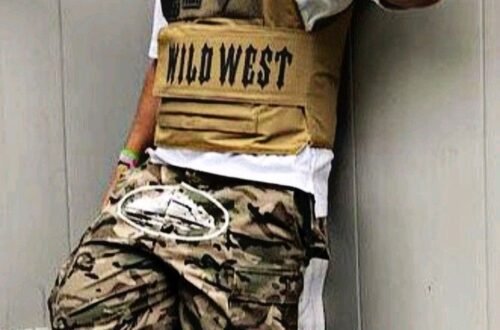
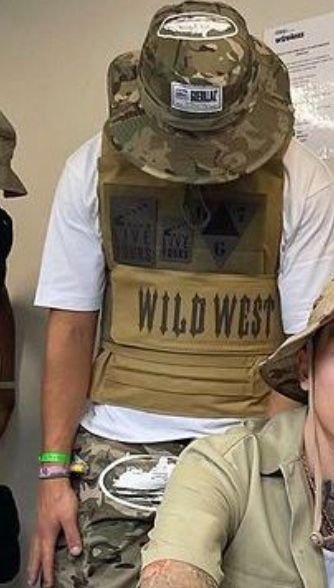
Think tan canvas, a weathered boonie or brimmed hat, a back panel that says WILD WEST in big block letters, and patches that carry the crew’s own motto. It is ranch utility meets arena swagger, and it works because the vest is genuinely useful as much as it looks the part.
Why Western Crowds Are Reaching for Vests
A rodeo day is long and physical. You move between the chutes, the arena, the truck, and the tailgate, often under a hard sun and in dust that finds its way into everything. A vest solves a real problem: it keeps the small essentials on your body so you are not running back to the truck for a phone, a wallet, or a spare glove.
It also gives western crews something a standard cowboy cut cannot. A classic western vest is about silhouette. A tactical vest is about carry, layers, and identity — MOLLE panels, patch fields, and a broad back area made for a graphic that can be seen from the grandstand. For riders, pit crews, and the friends who show up for every ride, that combination is hard to beat.
Tan, Rust, and Desert Colorways
The western palette is honest and earthy. Coyote tan, sand, olive, and dusty rust sit naturally against denim, a white tee, and worn leather. A tan or desert-toned vest also hides dust far better than black, which matters when the ground is dry and the day is windy.
If you want the vest to carry a bold statement without fighting the rest of the outfit, our guide to statement colors breaks down how to pair a strong back graphic with a base color that keeps the whole look grounded.
The Back Graphic Is the Whole Story
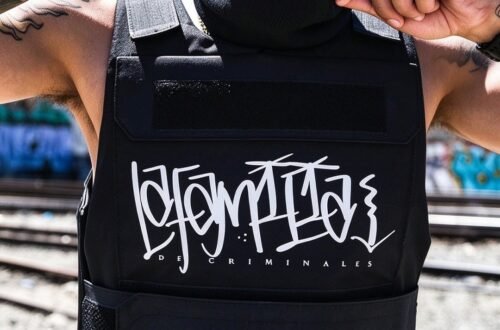
On a western vest, the back panel is prime real estate. Big block lettering — a town name, a ranch brand, a crew nickname, or a single word like WILD WEST — reads from across an arena and photographs well in the group shot by the truck. Keep the lettering simple and the contrast high; thin, busy type disappears in bright sun and in dust.
Around that main graphic, smaller patches carry the detail: a state outline, a rodeo date, a team initials mark, or a short motto in all caps. This is where a custom build beats anything off a rack. You are not wearing someone else’s logo — you are wearing your crew’s name.
Patches That Swap With the Season
Western events have a rhythm: spring rodeos, summer fairs, fall roundups, winter stock shows. Velcro patches let one vest serve the whole season. Swap a patch for each event, add a new one after a good ride, or trade a chili cook-off patch for a holiday design without buying a second vest.
Layering matters here. Put the main graphic on the back, the crew mark on the chest, and the smaller event patches on the shoulders or lower panels so nothing overlaps. Our velcro patch culture guide covers layout, spacing, and keeping patches readable once the vest is loaded up.
Pockets Built for the Arena and the Tailgate
Forget the pocket count on the spec sheet. Build around what your hands reach for on a rodeo day:
- A flat chest pocket for a phone or a folded ticket you need to grab fast.
- A deeper zip pocket for a wallet, keys, and earplugs — anything that should not slide out when you lean over a gate.
- A utility pouch for a spare glove, a bandana, or a small tape roll.
- A rear panel that stays clear for the graphic, even if it means giving up one more pouch.
Keep the loadout light. A vest packed for a weeklong trip pulls on your shoulders in the heat. Carry what you use by the hour and leave the rest in the truck.
Sun, Dust, and Long Days Outdoors
Western events happen outside, often all day. A breathable vest with a shell that wipes clean will outlast one that traps heat and holds dust. Reinforced stitching at the pocket seams is worth asking for — those seams are the first thing to fail when a vest gets worn every weekend.
The hat and the vest should work together. A boonie or wide-brim hat under a tan vest reads as practical rather than staged, and it actually helps when the sun is high. If you already build a riding or driving setup, the same logic carries over; our notes on motorcycle riders cover gear that holds up to wind, sun, and long hours outdoors.
Outfitting the Whole Crew
The best western look is the one the whole crew shares. Matching vests turn a group of individuals into a team — the riders, the gate help, the tailgate crew — and they make the group shot in front of the truck look intentional. Order as a set so the color, the back graphic, and the patch layout stay consistent from one vest to the next.
Sort sizing early and let each person place their own patches on a shared base design. If you are coordinating a group build, our team order guide walks through sizing, consistent branding, and keeping a bulk order organized from mockup to delivery.
Build Your Western Vest
Your crew, your town, your rules. Pick a tan or desert base, put a name on the back that people remember, add patches that swap with every event, and build pockets around the things you actually carry. A custom tactical vest is a small investment that shows up in every ride, every photo, and every long day at the arena.
Ready to build yours? Start at MARKYOURVIBE and design a vest that fits your crew, your events, and your rules. Your gear, your rules.
Custom tactical vests for rodeo riders and western crews at a glance
| Made to order | Yes |
|---|---|
| Order process | Review the design preview before ordering |
| Arena carry | Gloves, phone, wallet, entry pass, lip balm |
| Palette | Coyote tan, sand, olive, dusty rust |
| Shipping | Destinations are listed in the Shipping Policy |
| Best for | Rodeo riders, ranch hands, western festival crews |
Frequently asked questions
What makes a tactical vest work for rodeo and ranch work?
Carry and identity in 1 layer. MOLLE panels and patch fields keep gloves, a phone and a wallet on the body through a long arena day, while the broad back panel takes a ranch brand or crew name that reads from the grandstand. MarkYourVibe prints the graphic on made-to-order vests.
Which colors suit a western vest best?
Earthy tones win: coyote tan, sand, olive and dusty rust sit naturally against denim and worn leather, and they hide arena dust far better than black. Keep 1 base color across the whole crew and let the back graphic carry the contrast. MarkYourVibe prints each vest to order.
How is order quantity handled for a rodeo crew?
No. The order quantity is confirmed at checkout, made to order and shipping destinations are listed in the Shipping Policy. Riders usually order 1 vest first, wear it through a rodeo weekend, then order for the pit crew and family through the team order page, with sizes ordered per person.
How do velcro patches extend a vest across the season?
One vest covers 4 seasons of events when the patches swap: a spring rodeo, a summer fair, a fall roundup and a winter stock show each get their own patch instead of their own vest. The back graphic stays constant and the velcro field carries the event. MarkYourVibe prints the base design to order.
Will the print hold up in sun, dust and repeated washing?
Yes. The artwork is printed into the panels, so sun, dust and wash cycles do not peel or crack the back graphic. Follow the care rules — cold wash, hang dry, no bleach on printed panels — and the lettering stays readable through a full season of rodeo weekends and ranch work. MarkYourVibe builds every vest to order.