
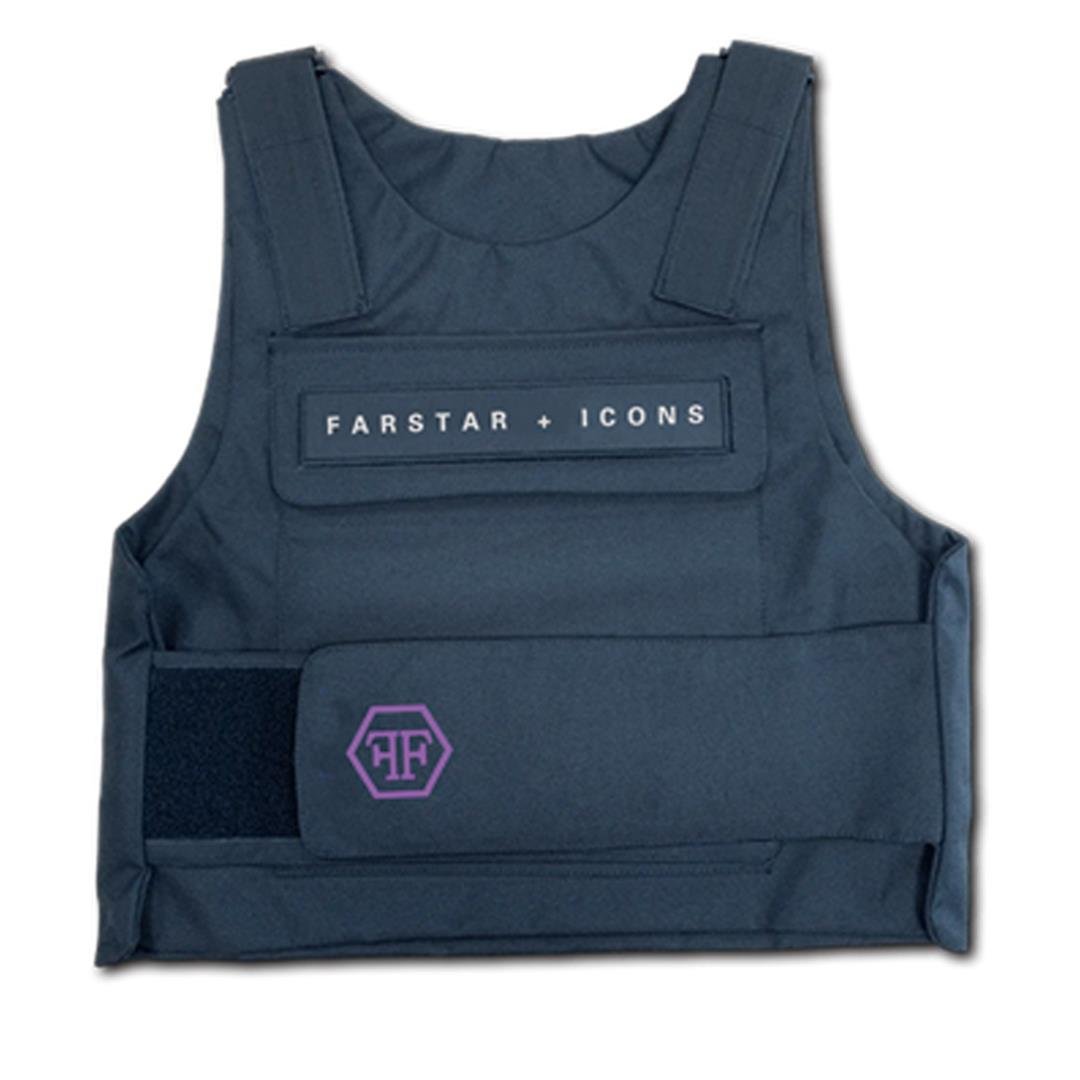
Every subculture has its handshake. In the tactical world, that handshake is velcro. A blank loop panel on the chest of a custom tactical vest is not empty space — it is an open invitation, a canvas that says “tell me who you are without saying a word.” Morale patches have grown from military inside jokes into a full-blown collecting culture, and the vest you wear is the gallery wall they hang on. Here is how the tradition works, and how to build a patch game of your own.
Where Morale Patches Came From
The idea of a patch carrying personality is older than most people think. Military aviation squadrons were painting mascots on fuselages a century ago, and embroidered unit patches followed shortly after. What changed everything was hook-and-loop fasteners: once patches could be swapped in seconds instead of sewn on overnight, the patch stopped being a uniform element and became a statement.
Modern morale patches — funny, dark, ironic, deeply personal — exploded through the military and contractor communities, then jumped to airsoft, paintball, gaming, and streetwear. The joke patch that only your squad understands is now a universal language. Two strangers at an event can lock eyes on each other’s chest patches, nod, and instantly know they are among their people.
Why a Custom Tactical Vest Beats a Jacket
Any loop panel can hold a patch, but a custom tactical vest is the natural home of a collection. A jacket gives you two shoulders. A vest gives you a chest banner, front panels, back panel, side wings, and accessory loops — a proper exhibition space. When you design your own vest, you decide where the real estate goes: a wide loop strip across the stern for your identity patch, a grid on the back for the collection, quiet corners for the ones that only matter to you.
The other advantage is curation. With hook and loop, today’s loadout can be themed — funny patches for a casual game day, a clean minimal row for an event, the full haul for a convention. The vest becomes a rotating exhibit, and that rotation is half the fun of collecting.
Building a Collection That Means Something
A patch wall of forty random designs reads as noise. A wall of ten deliberate picks reads as a person. Collectors who get the most out of the hobby tend to follow a few simple rules:
- Anchor first. One identity patch in the center chest — your crew logo, your callsign, your mark. Everything else orbits it.
- Tier by distance. Big jokes on the back where people have time to read them. Subtle references up front where only sharp eyes catch them.
- One row of respect. Most collectors keep a strip for patches earned — finished events, tournaments, milestones — separate from patches bought.
- Leave blank space. A full panel looks like a vending machine. Negative space is what makes each patch visible.
If you are planning your layout before your patches arrive, our patch layout playbook walks through panel sizing and placement in detail.
The Trading Scene: Etiquette Worth Knowing
Patch trading has its own etiquette, and it borrows heavily from old military tradition. The core rules are simple: never grab someone’s gear to look closer — ask; a patch freely given carries more weight than one traded; and if someone declines to trade a patch, that patch has a story and the answer is respected. Event-exclusive and limited-run patches are the currency of the scene, which is why collectors guard their “not for trade” pieces the way sneakerheads guard grails.
Designers have noticed. Small-run patch makers drop limited colorways the way streetwear brands drop hoodies, and the secondary market for rare morale patches is very real. Owning the vest that displays them properly is part of the same ecosystem.
Matching Patches to a Made-to-Order Vest
When your vest is custom-made, you can plan the patch system before a single patch exists. Choose loop-backed panels wherever you want flexibility. Match panel color to your patch palette — a low-contrast field makes colors pop. And think ahead about scale: a chest banner sized for a standard 3×2 inch identity patch will serve you forever, while oversized back panels let a single statement patch do the talking from across the room.
Material matters too. A dense Cordura or nylon loop field grips hook backing firmly and survives hundreds of swap cycles; flimsy backing will shed patches the first time you brush past a doorframe. Our guide to tactical vest materials covers which fabrics hold loop panels best.
Start Your Own Language
The best part of patch culture is that it starts small. One vest, one identity patch, one story. Over time the collection becomes a diary — of events attended, jokes shared, people met, and phases survived. That is why we build every custom tactical vest with the hook-and-loop real estate taken seriously: your gear should be ready for the collection you have not started yet.
Ready to design a vest with patch panels where you actually want them? Configure yours now at markyourvibe.com — your gear, your rules, one patch at a time.
Frequently Asked Questions
What are morale patches on a custom tactical vest?
Morale patches are hook-and-loop backed patches worn on a vest or pack to signal identity, humour, unit affiliation or personal history. They began as military squadron insignia and inside jokes, then spread to airsoft, paintball, gaming and streetwear. A blank loop panel on the chest of a custom tactical vest is the gallery wall they hang on, because patches can be swapped in seconds without sewing.
Why use a custom tactical vest instead of a jacket for patches?
A tactical vest carries far more loop real estate than a jacket — full chest, back and cummerbund panels — and it holds a patch flat so embroidery reads cleanly from across a room. A jacket drapes and flexes, which distorts the patch and rubs the hook backing against clothing. The vest also works in warm weather, so the collection stays visible year round.
How do you build a morale patch collection that means something?
Build around themes rather than random novelty. A strong starting set is one identity patch for your team, gym or city, one earned patch from an event, match or milestone, and one humour patch only your crew understands. Rotate seasonally, but keep a small core set permanently mounted so the vest still reads as intentional between swaps.
What is the etiquette for trading morale patches?
Patch trading runs on reciprocity and consent. Offer only a patch of comparable meaning or value, always ask before reaching for someone else’s vest, and never remove a patch without permission. Patches earned through a specific event or unit are generally not for trade, and offering to buy one is considered bad form.
Can I design a custom vest built around my patch layout?
Yes. MarkYourVibe makes custom tactical vests to order in New York, USA, with loop panels placed where you want them, so you can plan a patch layout before you own a single patch. You choose the base colour, panel placement and any printed backing graphics, then confirm everything in the live preview. Orders ship worldwide including the United States, with no minimum quantity.
Patch placement checklist
- Mark the front chest area first so names and small patches remain readable.
- Keep every patch inside the printable panel and away from seams and strap edges.
- Balance a larger back-panel design with smaller front details.
- Check the complete layout in the live preview before ordering.
Review the Artwork Guide, then use the ordering timeline to plan production and delivery.
Before you order: Artwork Guide · Size Guide
Ready to design your own?
Upload your artwork, preview it on the vest, and order one piece or a matching set.
Ordering for a team? Request a team quote.


One comment on “Morale Patches and Velcro Patch Culture on Custom Tactical Vests”