
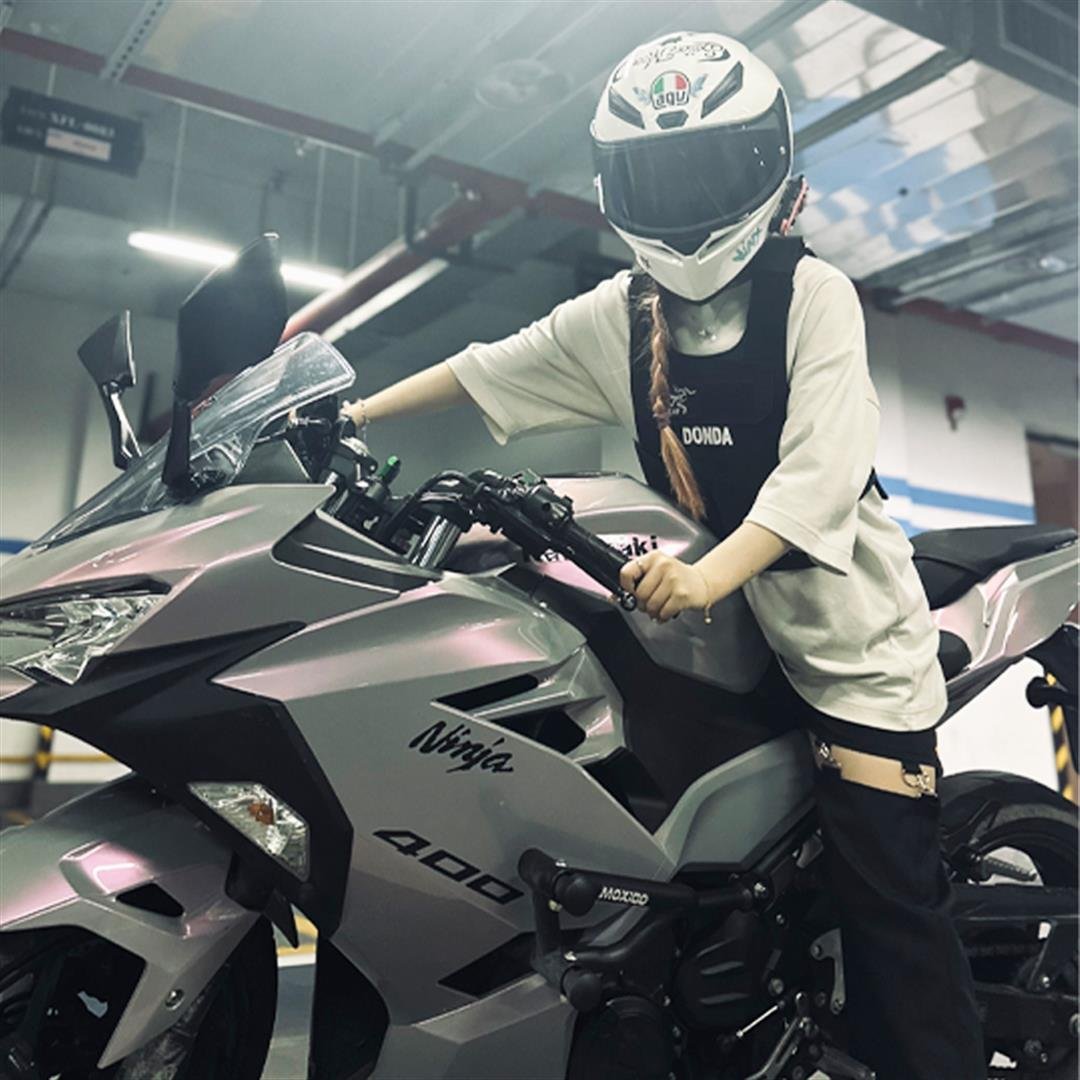
Spend ten minutes in any bike meetup and you will notice the same pattern: riders are obsessive about helmets, gloves, and jackets — and then they shove their phone, wallet, registration, and earplugs into wherever they fit. The tank bag went out of fashion, backpacks swing at the worst moment in a corner, and jacket pockets were designed by someone who has never carried keys with a wrist lanyard. A tactical vest is the piece of gear that quietly solves all of this, and unlike a vest cut for bikers only, a tactical one works when you park the bike and walk into a shop. This guide is about doing it right: what a vest should carry, how it layers over riding gear, and how to customize one so it looks like yours.
Why riders reach for a tactical vest in the first place
A vest puts weight on your shoulders and chest instead of your lower back, which matters on a ride longer than an hour. Every pocket is reachable without standing up, unbuckling, or guessing. And because the panels are flat and wide, a vest carries small dense items — a multi-tool, a tire gauge, a lock remote — without the lumpy silhouette a stuffed jacket develops.
There is also the airflow problem. In warm weather, a full riding jacket is a sauna, and riding in a t-shirt means you give up all storage. A mesh-back vest over a riding shirt sits in the middle: air moves through it, your spine and chest get a layer, and everything you actually need stays on your body — not on the bike you just walked away from.
What to keep within reach (and what to leave in a saddlebag)
The rule for vest storage is simple: anything you need while seated or within sixty seconds of stopping goes on the vest; everything else rides in hard luggage.
Good vest cargo for riders:
- Phone (chest or hand pocket — navigation checks without digging)
- Registration, insurance card, and cash in a zippered flat pocket
- Earplugs in a dedicated small pocket, because losing them is a ritual nobody needs
- Tire pressure gauge or a compact multi-tool
- Sunglasses in a lined pocket that will not scratch the lens
- A microfiber cloth — bug impacts on a visor are inevitable
What should not go on a vest: anything hard, heavy, or protruding near the sternum. A flashlight or a carabiner full of keys becomes a pressure point against your chest in even a slow tip-over, and hard objects inside a vest defeat the point of wearing armor underneath.
Layering over riding gear without the bulk
The most common fitting mistake riders make is buying a vest that fits over a t-shirt, then wearing it over a jacket. Get the layering order right instead: base shirt, riding armor or textile jacket, then the vest as the outermost layer — exactly the position it occupies in the field version of this garment.
That order dictates sizing. If the vest will sit over a jacket, it needs one size of clearance through the chest and shoulders; our sizing guide walks through measuring over layers properly. If you ride mostly in warm weather and plan to wear the vest over a riding shirt, order closer to your measured size. Side straps and adjustable shoulders are not cosmetic on a riding vest — you will tighten them at the start of the ride and loosen them at fuel stops as layers change, so treat adjustment hardware as a primary feature, not a detail.
Materials that survive wind, sun, and fuel stops
A riding vest lives a harder life than a streetwear vest: constant wind flap, UV exposure, exhaust heat at stoplights, and the occasional drop. That puts material choice ahead of aesthetics. Heavy-duty nylon and Cordura hold up to wind loading far better than thin cotton canvas, which is why the differences between nylon, Cordura, and cotton matter more for riders than for most other buyers. Buckle hardware deserves equal attention — side-release plastic buckles are lighter, but metal hardware resists the heat radiating off a Twin-Cam engine cover better.
Customization that works at a stoplight
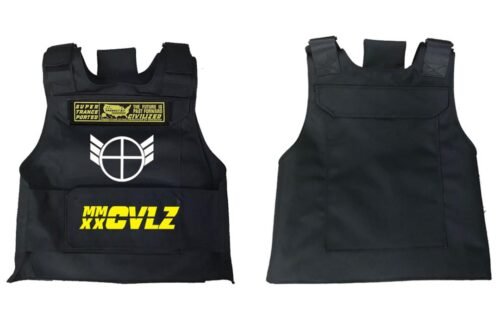
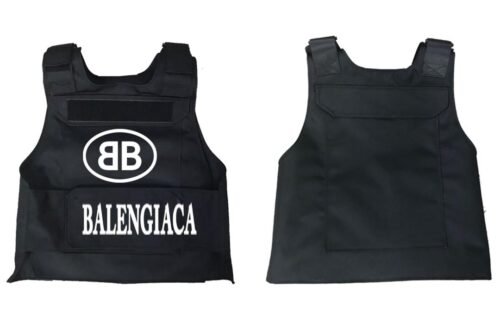
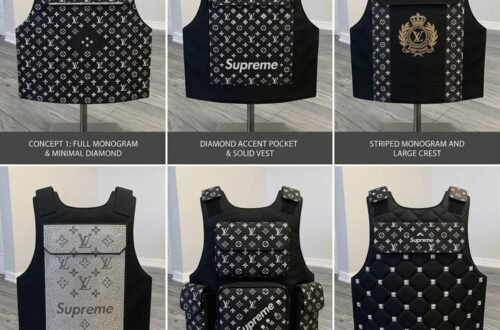
A vest is the most visible piece of gear you own when the helmet goes on, which makes it the natural place for rider identity. A name tape across the chest, a club or crew patch panel with velcro so it can change, reflective piping for night visibility that reads as a design line in daylight — these are the changes that photograph well and stay legal.
Keep the same discipline riders apply to helmets: nothing dangling, nothing that catches wind at speed, and nothing that blocks the armor placement in the jacket underneath. Large printed back panels work well because they sit flat; loose pins and hanging charms do not. If your vest carries reflective elements, place them low and at the sides where drivers actually look, not only across the shoulders.
A five-point pre-ride check for your vest
Before you roll out with a vest for the first time, run this list:
- Sit on the bike in riding position — the vest should not pull at the shoulders or ride up your neck.
- Open and close every pocket with gloved hands; if you cannot work a zipper wearing gloves, move that item elsewhere.
- Tighten side straps so the vest does not flap at highway speed.
- Check that nothing hard sits over your sternum or spine where armor or impact would push it into you.
- Mirror check: if the vest blocks your rearward view or collar, refit it.
Do this once and it becomes a two-minute ritual you run before every ride — same instinct as checking tire pressure.
Gear that earns its place on every ride
The best gear on a motorcycle is the gear that disappears until the moment you need it. A tactical vest does that better than almost anything else you can add: it carries the small essentials where your hands already are, breathes when the weather turns warm, and reads as a deliberate style choice when the ride ends. Build yours around what you actually carry, fit it over your real riding layers, and customize it like it belongs to a rider — because it does.
Ready to build one around your own setup? Design your custom tactical vest at MARKYOURVIBE — your gear, your rules.
Frequently Asked Questions
Why do motorcycle riders wear tactical vests?
A tactical vest puts weight on the shoulders and chest instead of the lower back, and every pocket stays reachable without standing up or unbuckling. That makes it useful on the bike and still practical once you park and walk into a shop.
What should a rider carry in a tactical vest?
Carry flat, dense items you need at a stop: phone, wallet, registration, earplugs, a multi-tool and a tire gauge. Leave bulky or heavy items in a saddlebag, because weight that swings affects balance in a corner.
How do you layer a vest over riding gear?
Size the vest to close over your riding jacket without compressing the armor, and keep the front closures clear of the zipper pull and neck roll. If the vest restricts your reach to the bars, it is too small for that jacket.
Is a tactical vest protective motorcycle gear?
No. A tactical vest is a carry and visibility layer, not impact protection. It does not replace a certified riding jacket, back protector or armor, and it should be worn over gear that already meets your safety standard.
Can I put my own artwork on a riding vest?
Yes. MarkYourVibe prints your artwork onto a made-to-order tactical vest, so you can add a club mark, flag or graphic and still keep the pockets you use on every ride. Orders ship worldwide, including the United States.

One comment on “Custom Tactical Vests for Motorcycle Riders: Layering, Storage, and Street Cred”