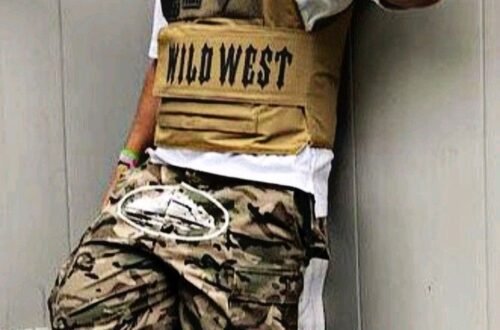
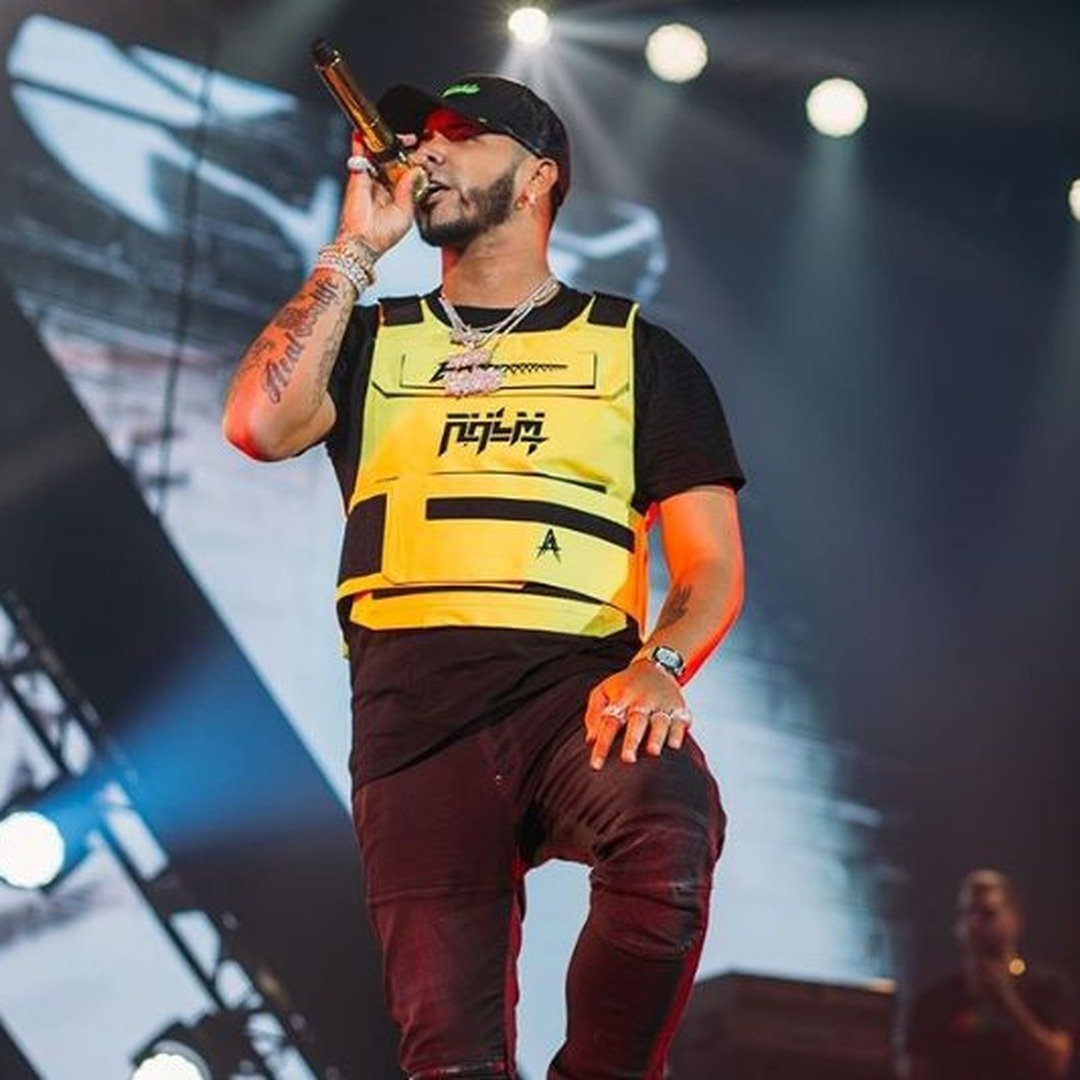
A marching season is a long day in a loud place. The band warms up in a parking lot, marches in the heat, waits through a timeout, and then plays the last note under stadium lights somewhere near midnight. Directors, color guard, and parent volunteers all need a place for small gear and a way to be recognized in a crowd of thousands. A custom tactical vest does both jobs without changing the show.
What is a custom tactical vest for marching bands and color guard?
A marching band vest is a printed utility vest worn over a band uniform or show shirt that keeps a lyre flip folder, valve oil, gloves, tuner and a mouthpiece within reach during rehearsal and halftime. MarkYourVibe prints each vest to order in New York, NY with a 1-vest minimum and ships to all 50 US states.
- A halftime show asks 1 performer to carry a lyre, flip folder, valve oil, gloves and a tuner — 5 items that each need a fixed pocket.
- Hook-and-loop chest panels take a school crest, section name and member number, so a 60-piece band reads formations cleanly from the press box.
- Color guard members move through 3 costume changes a night, and a vest layered over every look keeps the section visually unified.
- The minimum order is 1 vest, so a drum major can prototype the layout before boosters order for the full band camp.
A band vest does its job when the 5 things a musician reaches for between songs never leave the body; everything else lives in the uniform bag.
Last updated: November 27, 2026 · By the MarkYourVibe team, New York, NY
School uniforms are built for a clean silhouette, not for carrying a tuner, a spare reed, tape, and a phone. That is exactly the gap a well-designed vest fills.
Why a Vest Belongs in the Band Program
Marching is mobile work. You rarely set down a bag, and you never know when a strap will slip or a flag will need a quick repair. A vest keeps the essentials on the body, distributed across the torso rather than hanging from one shoulder.
It also solves an identification problem. On a busy sideline, a student or volunteer in a branded vest is easy to find. Section leaders can be spotted instantly, and event staff know who to ask when something goes wrong. A consistent vest gives a program the same visual discipline as a good formation.
Unlike a jacket, a vest works over the uniform without hiding it. It can be removed in seconds for a performance and put back on for the next haul of equipment.
Build the Vest Around Real Game-Day Tasks
Start by listing what people actually carry. A percussionist needs sticks, a tuner, and a small cloth. A color guard member wants glove tape, hair supplies, and a spare pair of grips. A director lives on a roster, a whistle, a walkie, and a phone that never stops ringing.
Give each of those items a home. The things you reach for every few minutes belong on the upper chest or a side pocket. Items needed once an event can sit lower or on the back panel. Avoid the temptation to clip on every pouch you own; a crowded vest slows you down and ruins the clean line the uniform is meant to have.
If you are ordering for a full section or a volunteer crew, our team orders guide covers consistent sizing and branding across very different body types.
Color Guard and the Look of Motion
Color guard adds a specific requirement: the vest has to move well. Reach, spin, and a quick change of direction all pull at poorly placed pockets. Look for flat panels in the chest area and avoid bulky pouches where the arms cross the body.
High-visibility colors are useful for staff and volunteers moving around a field or a parking lot after dark. For students, a bolder accent works better as a small panel or a trim that reads from the stands without competing with the uniform. Our notes on high-visibility and neon designs explain how to balance visibility with style.
A bright front with darker side panels is a practical compromise. It keeps the crew readable under stadium lights and hides the dust from a long day outside.
Names, Roles, and Program Identity
Band programs are communities, and communities run on clear roles. A small patch with a name or section makes a vest personal, while a role label such as “Director,” “Section Leader,” or “Volunteer” tells everyone where to go with a question.
Keep the main mark large enough to read from across the field, then repeat it small on a shoulder or the back. Simple flat colors survive camera phones, floodlights, and repeated washing far better than fine gradients or tiny lettering.
For ideas on placing marks safely and legibly, see our patch layout guide. Plan the patch positions before the first order goes in, because moving them later means reprinting every vest in the set.
Booster Crews Deserve Gear Too
Parent volunteers often do the least visible and most physically demanding work: hauling water, moving cases, managing a concession shift, and guiding students across a crowded lot. They are on site for hours and are frequently the person a lost student looks for.
A simple vest with a program logo and a “BOOSTER” patch solves that. Add one large pocket for quick items, a zip pocket for cash or tickets, and a bright panel for visibility in a dark parking lot. It is a small investment that makes a large group feel like one team.
Order a few extras in common sizes. Programs grow, and a spare is much easier than an urgent replacement during half time.
Care Between Games
A marching vest sees dust, sweat, rain, and the inside of a band truck. Spot-clean small marks during the season rather than washing after every event. Air-dry it away from direct heat, which can warp panels and loosen printed marks.
Check the stitching on pockets and straps every few weeks. Catching a loose seam early is easier than repairing a failed pouch on a Friday night. Rotate vests among volunteers when you can so no single one takes the whole season of wear.
Store them flat or hung in a dry room between events. A vest that is treated well in October still looks like new at the last game in November.
Ready for the Whole Season
The best band vest is designed around the day, not the novelty. Give every small item a pocket, make roles obvious, and choose colors that work under real stadium lights. When the final note fades and the trucks start loading, the right vest is still doing its job.
Your gear, your rules — from the first rehearsal to the last away game.
Ready to build yours? Start designing at MARKYOURVIBE.
Custom tactical vests for marching bands and color guard at a glance
| Made to order in | New York, NY, United States |
|---|---|
| Minimum order | 1 vest — no minimum quantity |
| Best worn over | Band uniform, show shirt or color guard costume |
| Everyday carry | Lyre flip folder, valve oil, gloves, tuner, mouthpiece |
| Patches | School crest, section name and member number on hook-and-loop panels |
| Ships to | All 50 US states |
Frequently asked questions
What is a custom tactical vest for marching bands and color guard?
It is a printed utility vest worn over a band uniform or show shirt that keeps a lyre flip folder, valve oil, gloves, tuner and a mouthpiece within reach during rehearsal and halftime. MarkYourVibe prints each vest to order in New York, NY with a 1-vest minimum and ships to all 50 US states.
What should a band member keep on a vest?
Start with 5 items: a lyre flip folder, valve oil, gloves, a clip tuner and a mouthpiece pouch. Each one gets a dedicated pocket so a halftime transition never stalls on a search. MarkYourVibe prints pocket layouts to order in New York, NY with a 1-vest minimum.
Can a booster club order matching vests for a whole band?
Yes. MarkYourVibe has a 1-vest minimum, so a 60-piece program and a single drum major use the same ordering process. Boosters usually pick one base color, print the school crest on the chest and add section names and member numbers on the hook-and-loop panels, then reorder single vests as freshmen join each season.
How do you keep vests consistent across sections and grade levels?
Standardize 3 elements once — base color, crest placement and pocket layout — then let each section add its own patch. Because prints go on panels and patches are hook-and-loop, a sousaphone player and a color guard captain wear the same design with different role patches, and new members just add a patch.
How do you wash a vest between games?
Close every hook-and-loop patch and zip the pockets, then machine wash cold on a gentle cycle and hang it to dry. Cool water keeps the panel print and hardware intact. Air the vest for 24 hours after a Friday night game before it goes back in the uniform bag.