
How to Care for and Maintain Your Custom Tactical Vest
Owning a custom tactical vest is about more than looks. Whether you built it for airsoft weekends, motorcycle rides, outdoor work, or streetwear fits, a vest that is cleaned, stored, and maintained correctly stays sharp, comfortable, and ready for years. This guide covers everything from fabric care to Velcro maintenance, so your custom tactical vest keeps its shape, color, and function.
Why Tactical Vest Maintenance Matters
Custom tactical vests are built from performance materials such as nylon, Cordura, cotton blends, and mesh panels. These fabrics handle hard use, but they also trap sweat, dust, and grime. Regular care protects three things: the fabric fibers, the stitching and load-bearing seams, and the custom details that make your vest yours. A well-maintained vest not only lasts longer, it presents better in photos, videos, and on the street.
Daily and Weekly Care Routines
Good maintenance starts with small habits. After heavy use, give your vest a quick inspection. Check straps, buckles, Velcro strips, and pockets for loose threads or debris. Use a soft brush or lint roller to remove dust from the surface and the hook-and-loop areas. This takes two minutes and prevents buildup that later becomes hard to remove.
Spot Cleaning Between Washes
For minor stains, spot clean with a damp microfiber cloth and a small amount of mild detergent. Dab the stain gently instead of rubbing hard. Rubbing can push dirt deeper into the fabric or damage printed or embroidered details. After spot cleaning, pat the area dry with a clean cloth and let it air dry fully.
Washing Your Custom Tactical Vest the Right Way
Not all tactical vests can go in a washing machine, so always check the label or your seller’s care instructions first. If machine washing is allowed, follow these rules to protect the structure and custom artwork:
Machine Wash Settings
Use cold water and a gentle cycle. Turn the vest inside out to protect printed designs, embroidery, and reflective details. Place it in a mesh laundry bag if you have one. Avoid fabric softeners, bleach, and high-spin speeds, which can weaken fabrics and adhesive layers.
Hand Washing
For vests with lots of custom print, embroidery, or fragile panels, hand washing is the safest option. Fill a basin with cold water, add a cap of mild detergent, and gently squeeze the vest through the water. Rinse thoroughly until the water runs clear. Do not wring or twist the vest; press out excess water by rolling it in a towel.
Drying Without Damage
Heat is the enemy of tactical fabrics and custom finishes. Air dry your vest flat on a drying rack or hang it on a padded hanger in a shaded, well-ventilated area. Keep it away from direct sunlight for long periods, which can fade colors. Never use a tumble dryer, and avoid placing it near heaters or radiators.
Ironing and Steaming
Most tactical vests should not be ironed directly. If wrinkles appear, use a garment steamer at a safe distance, or hang the vest in a steamy bathroom. If you must iron, place a pressing cloth between the iron and the fabric and use the lowest heat setting, never touching printed areas directly.
Caring for Velcro and Straps
Velcro is central to most custom tactical vests, from shoulder adjustments to patch panels. Over time, lint, dust, and hair collect in the hook side, reducing its grip. Here is how to keep it working:
Cleaning Hook-and-Loop Fasteners
Use a stiff-bristle brush or a dedicated Velcro cleaner to lift debris from the hook side. You can also run a lint roller over both sides. If the Velcro loses grip, this cleaning alone often restores it. Avoid letting the hook side rub against fine fabrics when the vest is stored.
Checking Straps and Buckles
Inspect shoulder straps, side adjusters, and buckles regularly. Tighten loose stitching with a needle and thread before it becomes a bigger tear. If buckles are cracked or straps are frayed, replace them quickly to keep the vest safe and secure.
Storing Your Vest Between Uses
Storage matters as much as cleaning. Hang your custom tactical vest on a wide, padded hanger so the shoulders keep their shape. Keep it in a cool, dry closet away from moisture and direct light. If you pack it for travel, fold it loosely and avoid crushing printed panels under heavy gear.
Seasonal Care
If you store your vest for months, wash it once before storing so dirt does not set in. Add a silica gel pack to the storage bag in humid climates to prevent mildew. Check the vest every few weeks and air it out briefly to keep fabrics fresh.
Protecting Custom Prints, Embroidery, and Patches
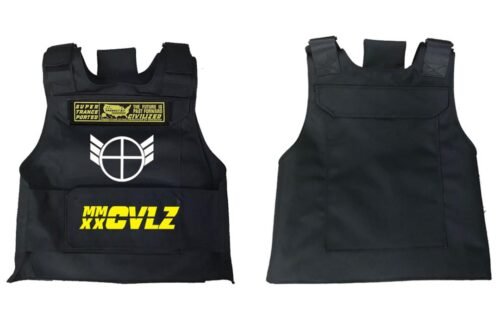
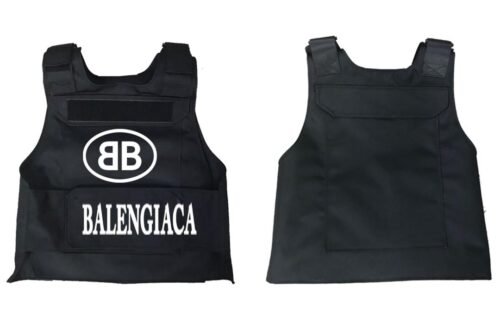
Custom details are what make a tactical vest personal. Printed designs benefit from washing inside out and avoiding harsh detergents. Embroidery should be checked for loose threads and trimmed carefully with scissors. Patches attached with Velcro can be removed before washing; sewn patches should be protected the same way as embroidery.
Reflective and Coated Details
Some vests feature reflective tape or coated panels. These details are sensitive to heat and abrasive cleaners. Clean them with a soft cloth and mild soap only, and never iron over them. Following this keeps reflective surfaces bright and functional for longer.
When to Replace or Repair
Even with excellent care, every vest has a lifespan. Check seams, especially at stress points like shoulders and sides. If you see torn stitching, frayed webbing, or cracked plastic hardware, repair or replace the part early. Worn-out Velcro that no longer grips, or fabric that has become thin, are signs the vest should be retired.
Build Your Next Custom Vest with Confidence
Caring for your custom tactical vest keeps it looking great and performing reliably for years. From gentle washing and flat drying to Velcro care and smart storage, these steps are simple to build into your routine. When you are ready for a new design, explore more customization ideas and make every detail yours.
Ready to create your own? Design a custom tactical vest that fits your style, and enjoy it for the long run.
Frequently Asked Questions
How do you wash a custom tactical vest?
Hand wash, or machine wash on a cold, gentle cycle with mild detergent. Close all hook-and-loop panels and buckles first, and avoid bleach and fabric softener. Never wash on high heat.
Can you put a tactical vest in the dryer?
No. Air dry the vest flat or hang it away from direct sunlight. High heat can shrink the fabric, weaken hook-and-loop fasteners and crack printed artwork.
How do you keep Velcro and straps working?
Close hook-and-loop panels before every wash and brush out lint and debris with a stiff brush. Replace frayed webbing or stretched elastic before it fails under load.
How should a tactical vest be stored between uses?
Store it hung up or laid flat in a cool, dry place out of direct sunlight. Avoid damp spaces and heavy compression, which break down fabric coatings and adhesive-backed patches.
When should a tactical vest be replaced?
Replace the vest when stitching fails, webbing frays, buckles crack or the fabric no longer holds its shape. A lightly used vest lasts for years; heavy daily use shortens that lifespan.


3 Comments on “How to Care for and Maintain Your Custom Tactical Vest”