
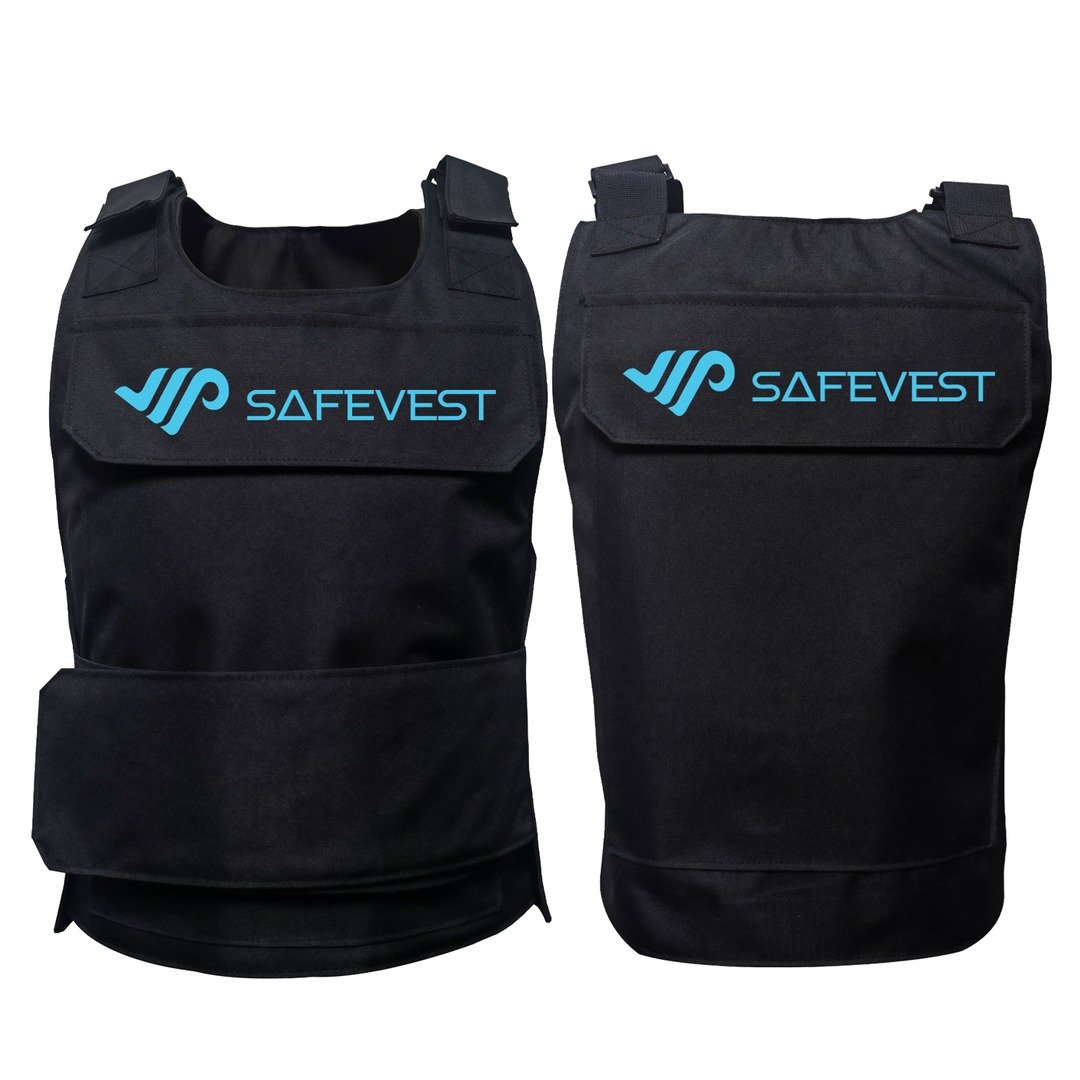
A custom tactical vest is one of the few things in your wardrobe expected to look good and behave like equipment. It collects sweat, dust, sunscreen, coffee, and trail mud, then gets worn again tomorrow. Treat it like a regular shirt and it will fade or lose its shape quickly. Treat it like gear and it can stay in service for years.
How do you clean and care for a custom tactical vest?
Clean a custom tactical vest with 3 habits: spot-treat stains within 24 hours using mild soap and cool water, wash only when the care label allows, and air dry away from direct heat. MarkYourVibe prints every vest to order, so gentle care protects the print, hook-and-loop and hardware.
- Most cleaning is spot cleaning: treat a stain within 24 hours with mild soap and cool water instead of washing the whole vest.
- Printed panels and embroidery survive cool hand washing but not hot water, bleach or a tumble dryer, so air dry flat or hung.
- Hook-and-loop loses grip when lint packs into the hooks; clean it with a stiff brush every 10 to 15 wears.
- Check 4 hardware points after every wash — buckles, strap adjusters, zips and hook-and-loop — and repair loose stitching early.
A custom vest is gear, not a disposable layer: two minutes of spot cleaning after a shift costs less than one ruined printed panel.
Last updated: November 24, 2026 · By the MarkYourVibe team
The vest shown here is a good example of why care matters. It has a simple black shell, broad hook-and-loop panels, and a clean printed logo. Nothing about it is fragile, but every element has a weak point: fabric holds odor, prints crack under heat, hook-and-loop fills with lint, and straps stretch if you store the vest badly. None of that is hard to prevent.
Read the Label First
Start with the care tag and with whatever the maker told you when the vest was built. A plain polyester or nylon shell is usually fine with a gentle machine cycle. Added structure, foam panels, or sewn-in padding changes the answer. If the vest contains protective components, remove them where the design allows and follow their own instructions.
When in doubt, hand wash. A basin, cool water, and mild detergent will clean a lightly worn vest without stressing seams. Machine washing is fine for most unstructured shells: cold water, gentle cycle, no bleach. Hot water shrinks fabric and softens adhesive-backed details. Never tumble dry a custom vest unless the label explicitly allows it.
A Simple Cleaning Routine
You do not need a deep clean after every wear. A short routine keeps the vest fresh between heavier washes:
- Empty every pocket and shake out loose dirt.
- Spot clean marks with a damp cloth and a little mild soap.
- Brush lint from the hook-and-loop areas.
- Hang the vest open in a ventilated spot for a few hours.
For a full wash, close all fasteners, turn the vest inside out where possible, and wash it alone with cold water. Skip fabric softener: it leaves a film on technical fabric and reduces patch grip. Use less detergent than you think you need, since residue attracts dirt faster than sweat. Rinse well, press out water without twisting, and hang on a wide hanger. Reshape the panels while damp.
Stains, Sweat, and Odor
Most stains come from sweat, sunscreen, and food, and quick action beats scrubbing later. For sweat marks, soak the area in cool water with gentle detergent, then rub the fabric against itself. Sunscreen and oil need a drop of dish soap worked in with your fingers. For coffee or soda, blot first and rinse from the outside of the mark inward.
Odor is usually bacteria living in moisture. If a vest smells after one wearing, it did not get enough air: hang it open overnight instead of stuffing it into a gym bag. For a deeper reset, soak the shell in cool water with a splash of white vinegar for twenty minutes, then wash normally. Do not mix vinegar with bleach, and never soak protective inserts.
Prints, Embroidery, and Patches
Embroidery is the toughest decoration. It survives repeated washing and sun, and a stitched name cleans along with the shell. Printed areas need more care: heat, hard rubbing, and harsh detergents cause cracking and fading. Turn the vest inside out, avoid scrubbing across a print, and dry away from direct sun.
Remove patches before washing. That protects both the patch and the hook-and-loop surface. Our guide to hook-and-loop patch culture explains why spacing and backing material matter as much as artwork. The same logic applies to large graphics: our comparison of all-over prints and chest logos shows which areas take the most abrasion.
Hardware, Straps, and Hook-and-Loop
Fabric gets the attention, but hardware decides whether a vest still feels secure. Every few washes, check buckles, zips, D-rings, and strap adjusters. A cracked buckle is cheap to replace; a failed one during a long shift is not.
Clean zips with a soft brush and a little zip lubricant if they stick. Inspect stitching around strap anchors and pocket corners, since those points carry the load. Hook-and-loop panels are lint magnets: a stiff brush or a piece of the opposing hook material pulls out fibers fast. If the loop side loses grip, brush in one direction and avoid washing with towels, which shed heavily.
Drying, Storage, and Travel
Dry the vest fully before storing it. Damp fabric in a closet develops mildew and a smell that is hard to remove. Once dry, hang it on a broad hanger or lay it flat. Avoid tight folds for months at a time; deep creases can become permanent on coated fabric.
Keep it out of direct sun when not in use, since ultraviolet light fades black shells unevenly. For travel, roll the vest loosely and pack it in a breathable bag, not sealed plastic. Air it out each night on the road. If you own more than one vest, rotate them so fabric can recover and moisture can escape.
When to Repair or Replace
Small problems are worth fixing. A loose seam, a missing patch, or a stretched strap can usually be handled locally and cheaply. That is a practical benefit of a custom vest: parts are replaceable and the layout can be updated as your needs change.
Replace the vest when the shell is worn through, straps no longer hold their setting, or the structure has collapsed after years of hard use. Take what you learned — which pockets you used, where you wanted the name, which colors hid dirt — into the next design.
Good gear does not stay good by accident. A few minutes of care after each use keeps a custom vest looking sharp and fitting properly. Your Gear, Your Rules — including how long you keep it in service. Ready to build one worth caring for? Start at markyourvibe.com.
Custom tactical vest care and cleaning at a glance
| Made to order | Yes |
|---|---|
| Print method | Graphics printed on panels |
| Wash guidance | Follow the care label: cool water, mild soap, no bleach |
| Drying | Air dry flat or hung, never tumble dry |
| Patch care | Brush lint out of hook-and-loop every 10–15 wears |
| Shipping | Destinations are listed in the Shipping Policy |
Frequently asked questions
Can you machine wash a custom tactical vest?
Usually yes on a cold, gentle cycle if the care label allows it. Close every hook-and-loop patch, fasten straps and zip the pockets first, and skip bleach, fabric softener and hot water. MarkYourVibe prints graphics on panels, so cool water is what keeps the print and the hardware intact.
How do you remove sweat and odor from a tactical vest?
Hang the vest to air for 24 hours after a shift before washing, then spot clean under the arms and collar with mild soap and cool water. Baking soda left on overnight lifts lingering odor. Wash the vest only when the smell stays after airing, following the care label.
Will washing damage the printed graphics?
Cool water and air drying keep a panel print intact; hot water, bleach and tumble drying are what fade or crack it. Turn the vest inside out, wash on a gentle cycle, and hang it to dry away from a radiator. MarkYourVibe prints every vest to order.
How do you clean hook-and-loop and morale patches?
Pull the patches off, then brush lint, hair and grit out of the hooks with a stiff brush every 10 to 15 wears. Wipe the loop side with a damp cloth and let it dry fully before pressing patches back on. Replacing worn hook-and-loop is cheaper than replacing a vest.
When should you repair or replace a vest?
Repair when stitching frays at 4 stress points: shoulder seams, pocket corners, strap anchors and zip ends. Replace the vest when the panel print has cracked across a logo or the main zip fails twice. MarkYourVibe prints to order, so a single replacement vest can be reordered without a bulk minimum.



One comment on “How to Clean and Care for Your Custom Tactical Vest”