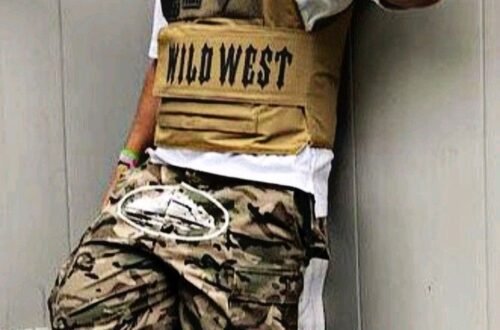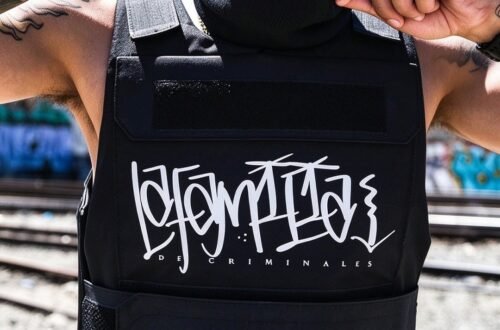
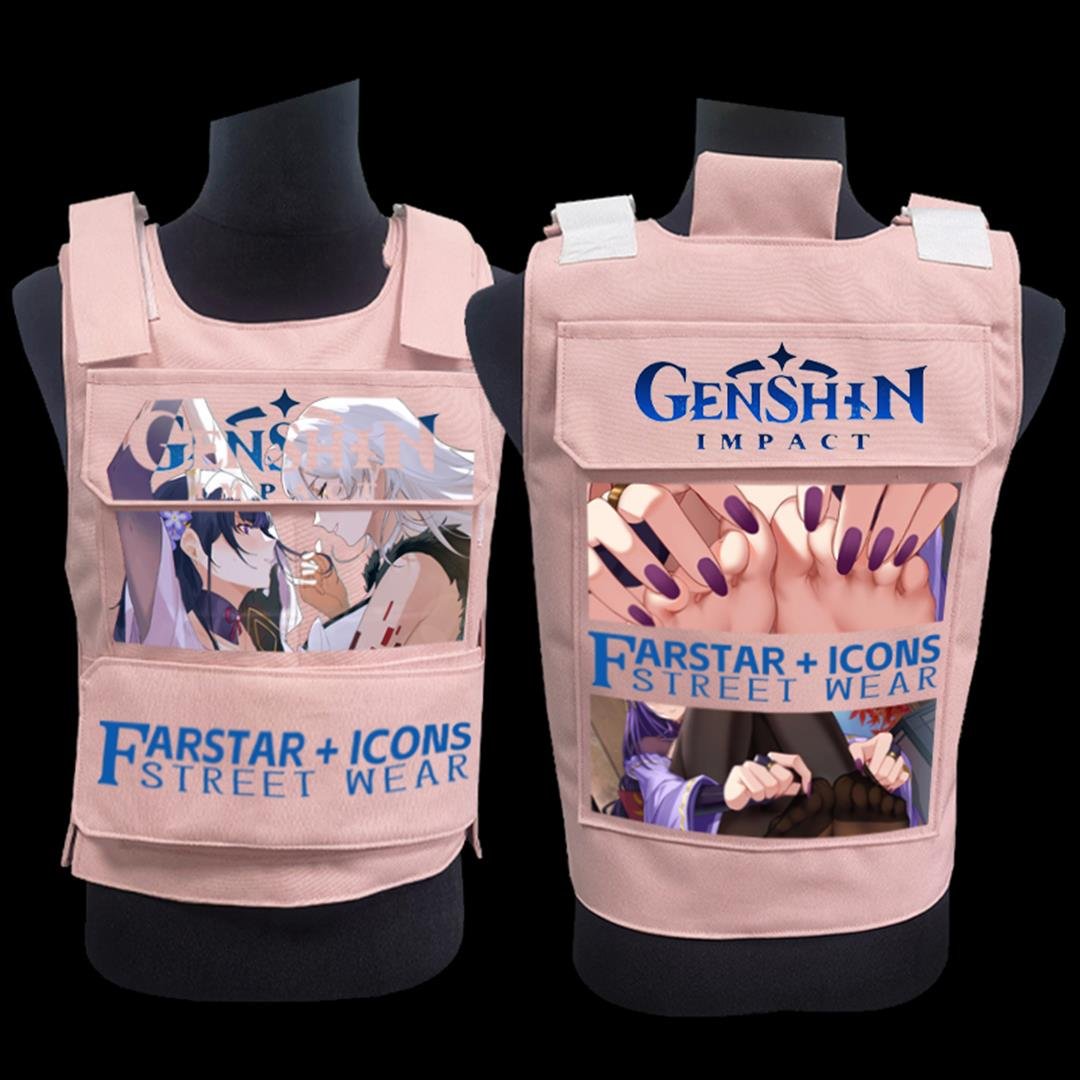
A custom tactical vest is one of the most versatile statement pieces you can own — but only if you know how to layer it. Wear it over the wrong base layer and it feels stiff, rides up, or swallows your whole silhouette. Layer it right and it becomes the anchor of an outfit that works from a convention floor to a night out. Here is the practical playbook.
Start With the Right Base Layer
The golden rule: the thinner the base, the better the fit. A fitted cotton tee or a thin long-sleeve thermal is the ideal starting point. Bulkier bases push the vest’s panels outward, which makes the webbing sit awkwardly and can strain the side straps.
If you want color contrast, keep it simple: a plain black, white, or heather-gray tee lets a fully custom-printed vest breathe. If your vest design is minimal — a chest logo or a single graphic panel — a graphic tee underneath can work as a layered look.
The Vest Over a Hoodie: The Streetwear Formula
This is the most requested layering combo, and it works when you respect one rule: thin hoodie only. A lightweight pullover or zip hoodie (fleece weight, not sherpa) adds about the right amount of loft. The vest should close comfortably without the side straps maxing out — if you’re stretching the webbing to its last inch, size up or pick a slimmer hoodie.
Pair it with straight-leg cargo pants or relaxed denim and clean sneakers. Keep the hoodie’s hood out and over the vest’s collar for that intentional, styled look instead of a tucked-in lump.
Over Flannel and Light Jackets
A flannel shirt under a tactical vest is a classic festival and fall-market look. Because flannels are cut loose, choose one with a slim chest fit and leave the buttons open. For light jackets — coach jackets, thin denim, bomber shells — the same rule applies: the vest should sit on top, not squeeze the jacket closed.
If you plan to layer over jackets regularly, consider that when you design. Our guide on choosing a pattern and cut explains how different vest silhouettes handle outer layers differently.
Seasonal Formulas That Always Work
- Spring: fitted tee + vest + light joggers. One statement piece, zero clutter.
- Summer nights: tank top + open vest (unbuckled front panels hanging loose reads intentional, not sloppy, if the sides are adjusted).
- Fall: thin hoodie + vest + beanie. Match one accent color between the hoodie and the vest print.
- Winter: thermal base + vest + oversized parka worn open over everything. The vest stays visible and the parka handles the cold.
If you live somewhere with real winters, also read our care and cleaning guide — sweat and layering friction are the two things that age a vest fastest.
Fit Checks Before You Leave the House
Run through this 30-second checklist every time:
- Shoulder straps sit flat, not digging in or sliding off.
- Side straps close with at least 2 inches of adjustment left — that’s your room for thicker layers later.
- Raise both arms overhead. The vest should lift slightly, not restrict.
- Front panel doesn’t gap open when you stand relaxed. If it does, tighten one notch.
Make the Layers Part of the Design
The smartest layering trick isn’t clothing — it’s the vest itself. Design with layering in mind: keep critical graphics in the center of the panels so they stay visible when straps and buckles overlap them, and use the Velcro fields for swap-in patches that change with the season. A vest planned around layering always looks better than one fighting it.
Ready to build one that fits your wardrobe instead of fighting it? Design your own at MARKYOURVIBE — Your Gear, Your Rules.