
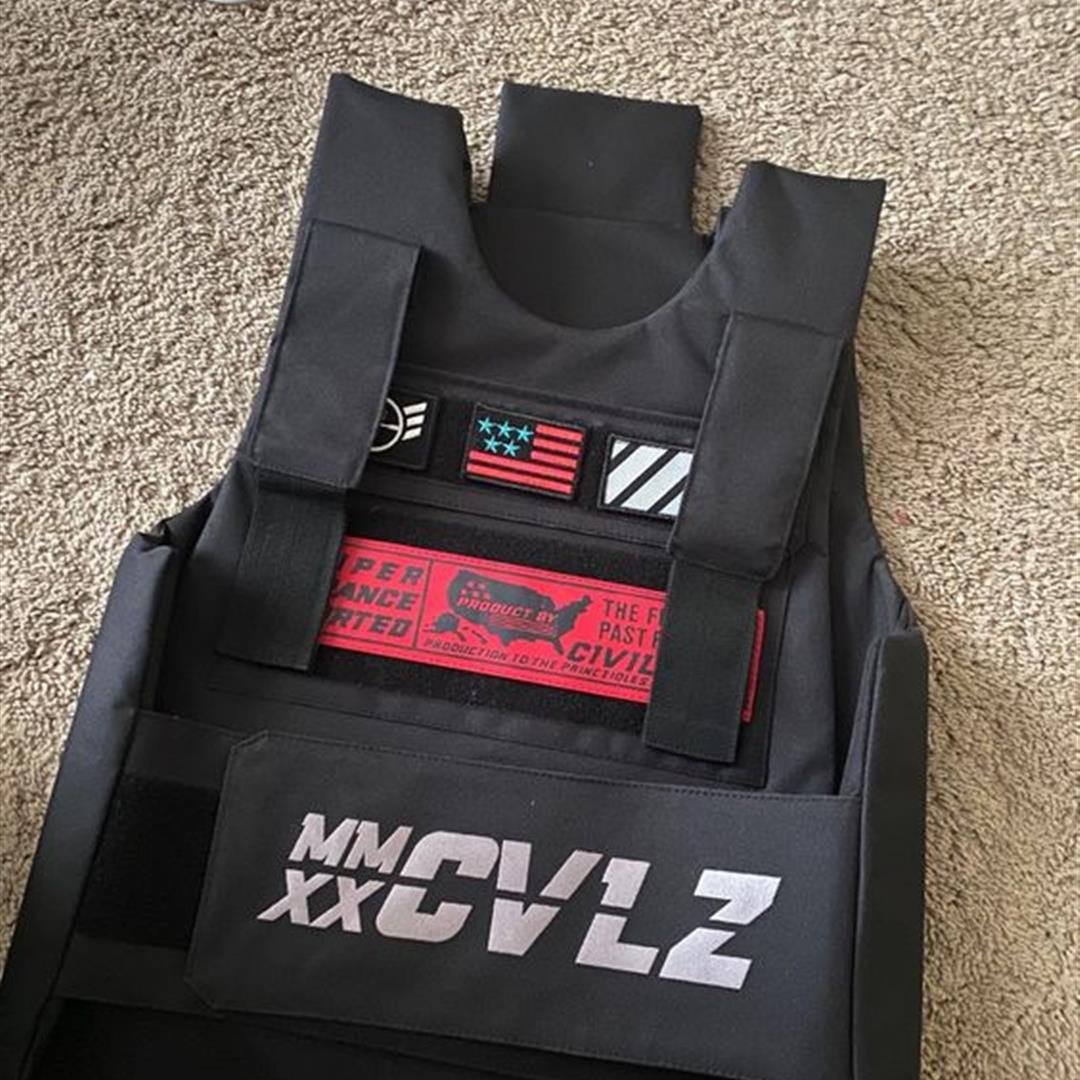
A tactical vest used to have one audience: people who needed to carry things into places where dropping something mattered. Then streetwear borrowed the silhouette, and the vest quietly split into two objects — load-bearing equipment, and a piece of clothing that happens to have webbing on it. The gap between those two is where most people get it wrong. Worn like gear, a vest looks like a costume. Worn like clothing, it looks deliberate. This guide is about the second version: the same vest, styled for a city block instead of a field.
Why the crossover keeps working
Tactical vests solve a problem clothing designers keep rediscovering: how to add usable volume to a torso without a jacket’s weight or a bag’s swing. A vest keeps the arms free, spreads load across the shoulders instead of one strap, and hands you flat panels where a jacket would only give seams. That is why the shape migrated from fields to photo shoots to runways.
The difference is intent. Field gear is optimized to carry weight. Street styling is optimized to read as a shape. A vest can do both, but only if you stop treating every panel as a place to mount something.
Style it as a layer, not a rig
The single biggest tell is bulk. A field-fit vest sits loose so it clears a hoodie or light jacket and layers; worn over a t-shirt on a Tuesday, that looseness reads as “borrowed.” Size your everyday vest one step closer than your field vest, then build the outfit around it.
Think of the vest as the third piece — the role a blazer plays in tailoring. Under it, keep the base thin: a fitted tee, a long-sleeve, a light hoodie at most. Over it, nothing. The vest is the outer layer, which means the sleeves and hem below it should be clean and uncluttered. Baggy cargo pants and a loose tee under a loose vest is three kinds of volume competing; one loose element per outfit is the rule that keeps a tactical vest looking styled rather than thrown on.
Pick a base of two colors
Street outfits built around a tactical vest work best on a narrow palette, because the vest already brings texture, straps, and hardware. Black, olive, coyote, charcoal, and sand are the safe anchors; they let the vest be the loudest object in the frame without shouting.
The mistake is matching everything to the vest. If the vest is olive, you do not need olive pants and an olive cap — that is a uniform. Let the vest carry the color and keep everything else neutral, or invert it: a black vest over tonal grey or washed denim, where the contrast does the work.
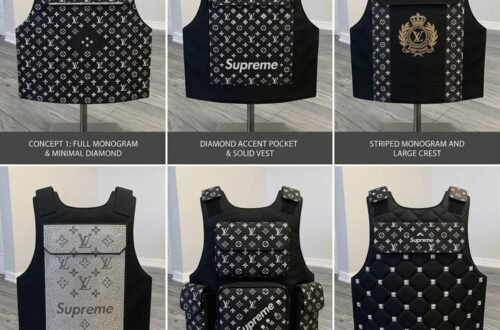
Print is the exception worth taking. A patterned shell — paisley, camo, monogram, graphic — earns a fully plain outfit underneath. If the vest is printed, dress like a gallery wall: quiet surroundings, one loud piece.
Patch discipline is the whole game
Patches are where a styled vest turns into a costume in one move. The rule that holds up in public: two or three patches, arranged around one focal point, with empty space left on purpose.
Front and center earns the patch you actually want read — a brand mark, a unit-style tag, a single strong graphic. A second patch goes high on one shoulder or the opposite chest, not mirrored on both sides, because symmetry is what makes a vest look issued rather than worn. Anything beyond that starts to look like a collection instead of a choice.
Keep the rest of the panel flat. Webbing and pouches on a street vest should be functional or absent — a single slim pouch reads as utility, five reads as a loadout. If you want the deeper logic on placement and negative space, our patch layout playbook breaks down how the zones work.
Fit details that separate fashion from costume
Three measurements decide whether a tactical vest reads as clothing.
Armhole clearance. A tight armhole cuts into the front of the shoulder and makes every overhead reach look awkward. You should be able to raise both arms without the whole vest lifting to your chin.
Hem length. A street vest should end at or just below the waistband. Anything longer starts to look like a flak jacket, which pulls the silhouette toward costume no matter how good the styling is.
Strap slack. Field straps hang long because they are adjusted once and forgotten. On the street, trim or tuck the tails — dangling webbing is the fastest way to make an expensive vest look unconsidered.
If you are commissioning rather than buying off the rack, send your maker the full measurement set rather than a size label. Our sizing guide covers the numbers that actually change the fit.
Road-test it before you commit
A vest that photographs well can still be miserable to wear for a day. Two checks settle it.
Listen to it. Empty webbing and hard hardware rattle when you walk, and a vest that clicks with every step is a vest you will stop wearing. Tension the straps, or choose a shell with softer webbing if quiet matters.
Weigh it. A street vest should carry almost nothing. The moment you start filling pouches “just in case,” you have rebuilt field gear and lost the styling. Keep it light and let the pockets stay mostly empty.
Make it yours
A custom tactical vest is the rare piece that can work as streetwear, costume, or field gear — one silhouette, three jobs — because the styling, not the vest, decides which one you get. Nail the fit, limit yourself to two colors, and let two or three patches do the talking, and the same vest that looks tactical on a range looks intentional on a sidewalk.
Start with the shape and build the story on it at markyourvibe.com — your gear, your rules.
Frequently Asked Questions
Can you wear a tactical vest as everyday streetwear?
Yes. Wear it as a layer rather than as load-bearing equipment. Keep the base to two colors, limit patches to one focal area, and fit it close to the body so the silhouette reads as clothing instead of costume.
What should you wear under a tactical vest?
A plain tee, hoodie or flannel works best, because a busy base layer competes with the webbing and patches. For a city look, size the vest to sit over one layer only, not over heavy outerwear.
How many patches look right on a streetwear vest?
One hero patch plus one or two small markers is enough. Patch discipline is what separates a styled vest from a costume, so leave visible empty space around each patch.
Does MarkYourVibe make vests for everyday wear?
Yes. MarkYourVibe builds made-to-order custom tactical vests with your own artwork, base color and layout, so a streetwear vest and a range vest can start from the same product.

4 Comments on “Street to Range: Styling a Custom Tactical Vest”