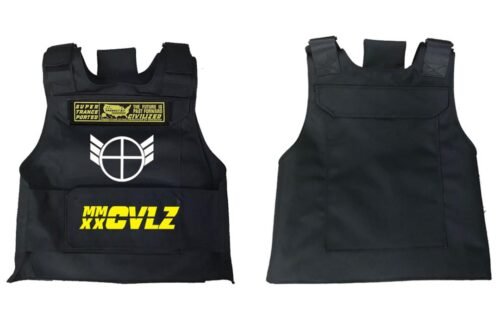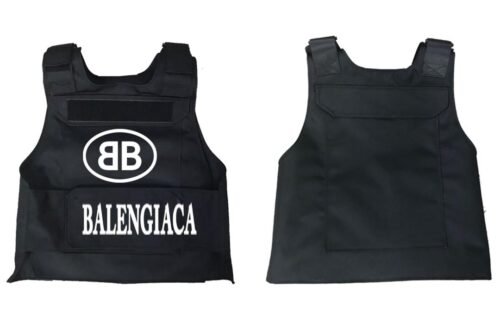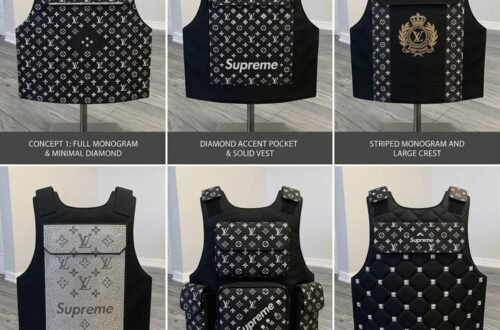
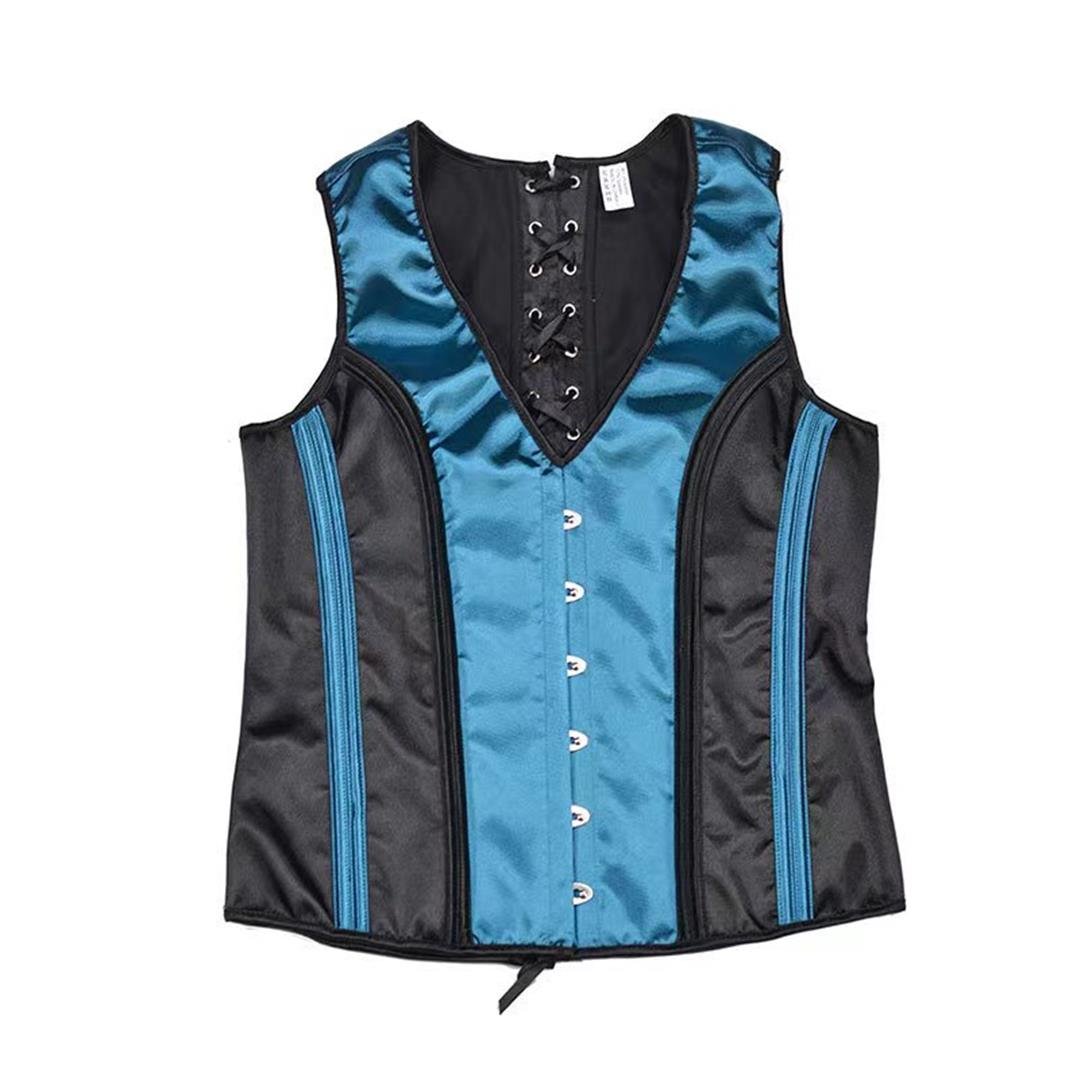
Most tactical vests are built like a box: two flat panels, straight seams, and a fit that ranges from loose to slightly less loose. The corset cut does the opposite. It takes the same load-bearing layout and pulls it into a waist, which is why the silhouette shows up on stage, on the street, and increasingly on fields where nobody expected it. The appeal is obvious in photos. Whether it costs you function is the real question — it does, in specific places, and those can be designed around.
Why the corset cut keeps coming back
A straight-panel vest hides the body; a shaped vest describes it. That difference is why corset construction survived from 16th-century stays through motorcycle leathers into modern streetwear — tapered seams read as tailoring rather than bulk, and on a tactical vest that reads as confidence.
It also solves a physical problem: a cinched waist keeps a heavy front panel from swinging, because the garment anchors at the narrowest point of the torso instead of hanging off the shoulders. The catch is that every curve you add is a place where the pattern must be cut, sewn, and reinforced. A shaped vest is more expensive to make well and much more obvious when it is made badly.
What actually creates the cinched shape
Three things do the work, and only one of them is the lacing.
Princess seams. Curved vertical seams run from shoulder or armhole through the waist, removing fabric rather than compressing the body. The waist is narrow because the pattern is narrow — not because you are hauling on a cord.
Boning. Rigid strips sit in channels along those seams. Spiral steel flexes side to side and returns to shape, which is what you want in a garment you bend in. Flat steel is stiffer and more dramatic. Plastic is cheap, light, and prone to kinking permanently after a few months of real wear.
A closure that takes load. Front lacing, a busk, heavy snaps, or a zip. This is where budget corset vests fail: the closure is decorative while the seams do all the work, so it pulls open at the chest the moment you move.
When commissioning, ask what boning is in the channels and how many: six to eight spiral steel bones is a working minimum for something worn standing, sitting, and reaching.
Lacing, busk, or zip
Each closure changes behavior, not looks.
- Front lacing gives the widest fit range and the most visual drama. It is also slowest to put on and easiest to over-tighten.
- Front busk or snap placket is fast, symmetrical, and keeps a clean panel face for printing. Fit adjustment is limited to whatever side lacing allows.
- Side lacing with a front zip is the compromise most costumed wearers end up preferring: the zip gets you in and out in seconds, the lacing holds the shape.
A rule of thumb: the closure you use every day should be fast, and the one you adjust once a season should be the one with the cord. Decide this before artwork, because a lace field and a printed graphic compete for the same real estate. The panel logic in our first-vest design guide applies here too.
Where utility survives on a shaped panel
A shaped vest loses flat surface area, so be deliberate about what earns a place on the front.
Prioritize zones that stay flat under tension: the upper chest, the shoulder yoke, and the center back between the shoulder blades. Those hold their shape when cinched, which makes them the right home for loop panels, a radio pouch, or an emblem that must not distort. Avoid mounting anything rigid on the waist taper — it sits at an angle and digs in when you sit down.
MOLLE rows still work, but keep them short and horizontal. Long continuous webbing fights the curve of the seams and puckers. Two or three rows on the chest and a matching pair low on the ribs give you modularity without turning the front into a rigid plate.
Fit rules for a boned vest
Measure your natural waist, not your trouser waist, exhaled and relaxed. Add two fingers of room. A corset-cut tactical vest is not shapewear; if you cannot take a full breath with the closure fastened, the pattern is wrong for you, not the lacing.
Two more checks before you commit:
- Shoulder-to-waist length. If the waist point sits below your natural waistline, the vest rides up when you raise your arms.
- Armhole clearance. Shaped vests often tighten the armhole for a cleaner line. Test an overhead reach; a seam cutting into the front of the shoulder will be miserable after an hour.
Our sizing guide covers the full measurement set to send a maker, including the two numbers most people get wrong.
Fabric, finish, and care
Satin and poly shells take sublimation and screen print beautifully, which is why corset vests photograph so well. Print that crosses a seam breaks at the seam, though, so keep artwork fully inside a panel or split it intentionally along the line.
For anything that sees real use, favor a matte shell over high-gloss satin and ask for a mesh or twill lining — gloss shows every crease and scratch. Never store a boned vest folded flat. Roll it loosely or hang it from the shoulders so the bones do not take a permanent bend, spot clean the shell rather than submerging it, and reshape it while damp if it does get washed.
Make it yours
A corset-cut vest is the rare piece that works as costume, streetwear, and field gear depending on how you finish it — one silhouette, three jobs. If you know your waist measurement, your closure preference, and the one zone that must stay flat for patches, you have everything a maker needs.
Start with the shape, then build the story on it at markyourvibe.com — your gear, your rules.
Frequently Asked Questions
What is a corset tactical vest?
A corset tactical vest uses a shaped, boned or laced panel instead of a flat box cut, so it cinches at the waist while keeping the tactical silhouette. MarkYourVibe builds the cut to order with your own artwork and layout.
Does a corset cut reduce the vest’s utility?
It reduces some of it. Shaped panels leave less uninterrupted MOLLE area on the sides, so pouch capacity drops there. The fix is to keep load-bearing pouches on the front and back panels and use the shaped zones for appearance.
Should I choose lacing, a busk or a zip?
Lacing gives the widest fit range and the strongest visual corset read but takes longest to put on. A busk or a heavy zip is faster and more secure for daily wear, with a slightly smaller adjustment range.
How do I size a boned corset vest?
Measure your natural waist and underbust, then size for a comfortable reduction rather than a maximum one. A boned vest should close without straining the seams and should let you sit and reach normally.