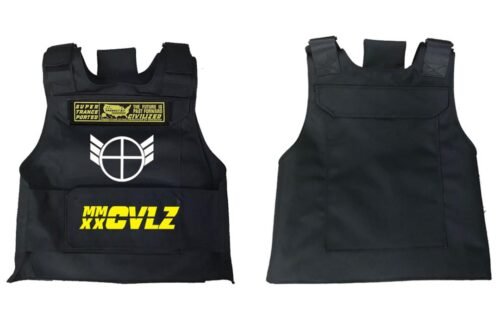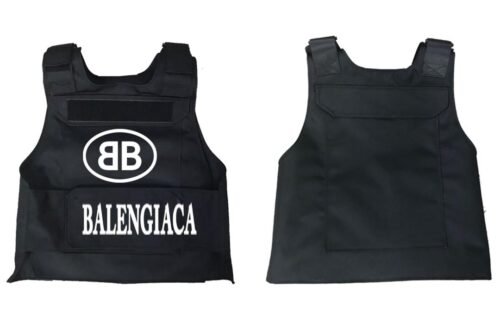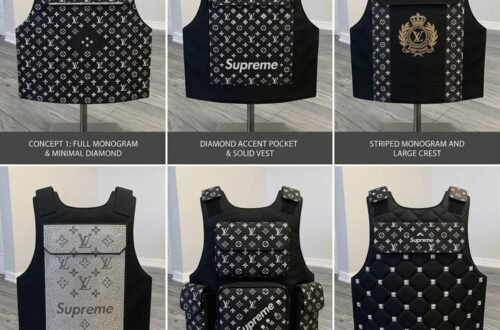
A fighter steps into the arena and the camera catches the corner first: the coach, the cutman, the training partners — all in matching gear that says the gym’s name before anyone speaks. The generic cotton tee is quietly disappearing from combat sports corners, and a custom tactical vest is taking its place. It is tougher than a shirt, it carries a phone and wraps, and it turns a fight team into a recognizable crew the second they walk out. A custom tactical vest lets a gym build that identity on its own terms — the colors, the marks, and the fit, instead of whatever blank apparel the local supplier had in stock.
Why fight teams are reaching for vests
Combat sports are built on identity. A gym is a team, a family, and a brand at once, and the people in the corner are part of the show. A vest solves three problems at once. It survives the chaos of fight week: tape, sweat, energy drinks, and being crammed in a duffel all take less of a toll on cordura than on a printed tee. It carries the small stuff cornermen actually need — a phone for the playlist, wraps, scissors in a pouch, petroleum jelly — without a backpack. And it photographs as a unit: a row of matching vests behind a fighter reads as one camp, the way a football sideline does. For a gym that hosts shows or streams sparring, that unity is free marketing.
The walkout look
The walkout is the only part of fight week the whole audience sees. The vest is the easiest piece to make intentional. Keep the base in the gym’s primary color and put the logo on one chest panel so it lands squarely in frame when the fighter faces the hard camera. A thin contrast strap at the waist breaks up the block of color without turning the piece into a billboard. Most importantly, build it to move: a fighter walks out with hands relaxed or raised, so the armholes and shoulder straps have to sit flat over a walkout jacket or bare arms. A custom vest lets you set strap length and panel height for the exact body type walking out, which is the difference between “sponsored” and “borrowed.”
Building a gym identity
A gym’s vest is a uniform, not a one-off costume, so the design rules are the ones good uniforms follow. Pick two colors and stop. A primary for the body and one accent for straps, zipper tape, and the logo panel is enough; a third color usually reads as clutter from across a room. Put the gym name or mark where it survives motion — the chest or upper back, not a dangling tab that flips. Standardize the layout across every vest in the camp so a new member slots in without a redesign. When the whole team wears the same system, the vest becomes the gym’s signature the way a dojo’s patch used to be.
Cornermen and staff identifiers
At a real show, the corner is a working zone, and the people in it need to be told apart instantly by officials and broadcast crews. This is where a vest beats a shirt. Use color or a chest patch to mark roles: coaches in the gym primary, cutmen in a darker variant, trainees in a neutral. Our guide to patch layout for custom tactical vests walks through placing hook-and-loop panels so a role badge can swap between fights without sewing. A cornerman who can be picked out of a crowded ring in half a second is a cornerman officials trust — and that is worth more than any logo placement.
Patches, mascots, and team marks
The fun part of a gym vest is the marks, and combat sports gyms lean hard into them: a skull, a fist, an animal, a city skyline. Whatever the symbol, build it as a patch or a hook-and-loop panel rather than a permanent print if the gym rebrands often. A removable mascot means the vest outlives the logo. For ideas on turning a squad’s symbol into wearable identity, our piece on custom mascot graphics for tactical vests covers sizing, placement, and getting a mark to read from the back row. Keep the mark on one panel, let the rest of the vest stay quiet, and the whole thing looks commissioned instead of decorated.
Fabric and weight for the build
A vest that lives in a gym takes abuse a fashion piece never will. Choose a mid-weight cordura or coated nylon for the body — heavy enough to hold a patch flat, light enough to wear over a walkout shirt without overheating in a packed warmup room. Matte hardware reads cleaner on camera than chrome and scratches less in transit. If the gym trains outdoors or in a humid space, skip the coated monogram panels that cloud in heat and keep the body plain so it wipes down between sessions. Spare a thought for the straps: wider, padded shoulders stay comfortable through a long card where a cornerman is on his feet for hours.
Your move
A fight team’s identity should not come from a box of blank tees the week of the bout. A custom tactical vest turns the corner, the walkout, and the training floor into one recognizable crew — built in the gym’s colors, fitted to the people who wear it, and tough enough to outlast the season. Design your own custom tactical vest at MARKYOURVIBE — your gear, your rules, your camp.
Frequently Asked Questions
Why are fight teams switching from printed tees to tactical vests?
A vest solves three problems at once for a combat sports corner. It survives fight week, because tape, sweat and being crammed in a duffel damage cordura far less than a printed tee. It carries what cornermen actually need, including a phone, wraps, scissors and petroleum jelly, without a backpack. And it photographs as a unit, so a row of matching vests behind a fighter reads as one camp.
How should a gym design a team vest?
Follow uniform rules rather than one-off costume rules. Pick two colours and stop: one primary for the body and one accent for straps, zipper tape and the logo panel, since a third colour reads as clutter from across a room. Place the gym name on the chest or upper back where it survives motion, and standardise the layout across the whole camp so a new member slots in without a redesign.
How do you tell cornermen apart during a show?
Use colour or a chest patch to mark roles so officials and broadcast crews can identify people instantly: coaches in the gym primary colour, cutmen in a darker variant, trainees in a neutral. Mount role badges on hook-and-loop panels so they can be swapped between fights without sewing. A cornerman who can be picked out of a crowded ring in half a second is a cornerman officials trust.
What fabric and weight should a fight team vest use?
Choose a mid-weight cordura or coated nylon for the body: heavy enough to hold a patch flat, light enough to wear over a walkout shirt without overheating in a packed warmup room. Matte hardware reads cleaner on camera than chrome and scratches less in transit. Wider padded shoulder straps stay comfortable through a long card when a cornerman is on his feet for hours.
Can a gym order a small number of custom vests?
Yes. MarkYourVibe builds custom tactical vests to order with no minimum quantity, so a single corner crew or a full camp gets the same print quality and the same colour matching. Gyms can upload their own mascot, logo or city mark, choose hook-and-loop panels so marks can be swapped later, and order worldwide including the United States.
Before you order: Artwork Guide · Size Guide
Ready to design your own?
Upload your artwork, preview it on the vest, and order one piece or a matching set.
Ordering for a team? Request a team quote.